
Caramel Cookie Bars feature a thick layer of soft, gooey caramel tucked between buttery brown sugar cookie layers. The edges bake golden and slightly crisp while the center stays tender, chewy, and rich with caramel flavor.
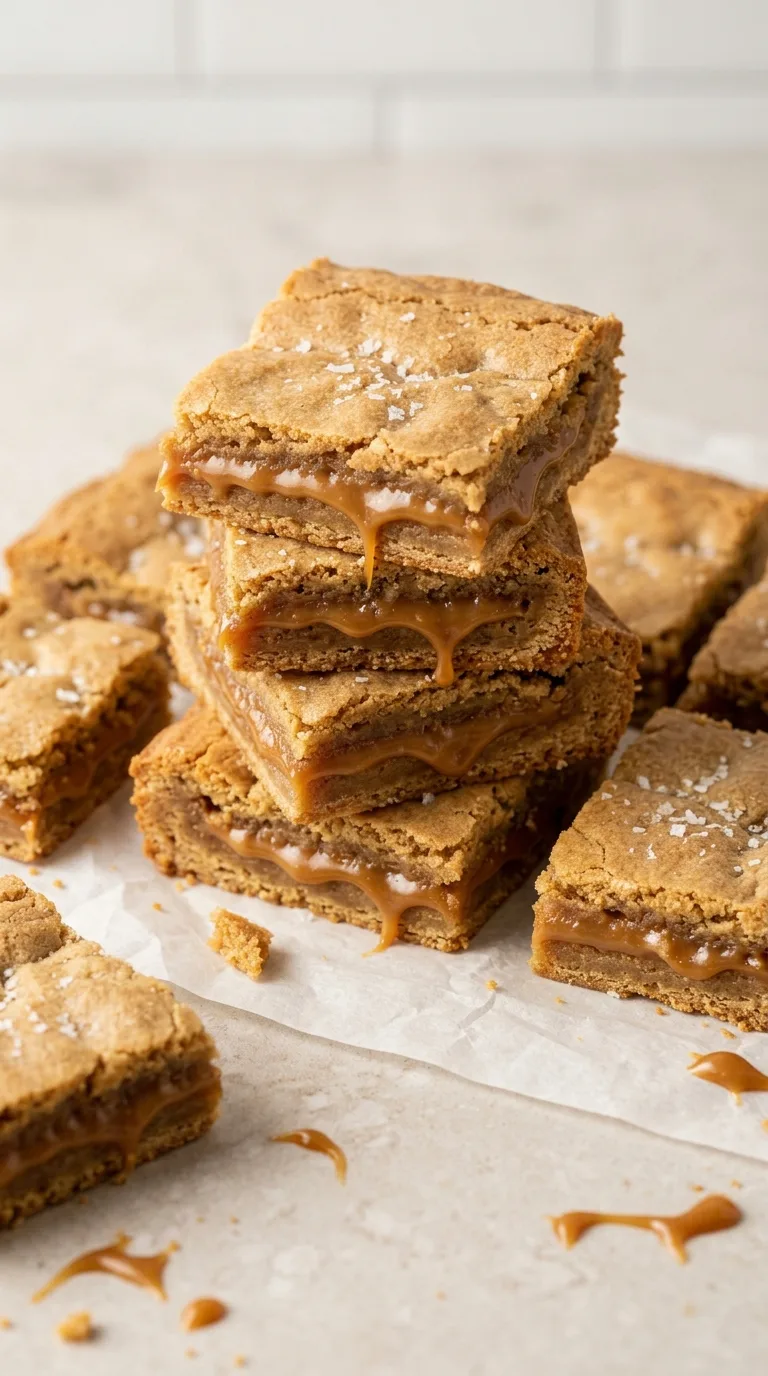
These bars are baked in a 9 × 13-inch pan, so there is no individual cookie scooping or shaping. The bottom crust is briefly prebaked before adding the caramel, helping it stay sturdy enough to slice once the bars have completely cooled.
Why This Recipe Works
- Prebaking the bottom layer adds structure. A short initial bake helps keep the caramel from soaking into the cookie base.
- Brown sugar creates a chewy texture. Its extra moisture and mild molasses flavor complement the caramel while keeping the cookie layers tender.
- Heavy cream keeps the caramel soft. Melting soft caramels with cream creates a filling that stays pleasantly chewy instead of turning hard after cooling.
- A little flour stabilizes the caramel. The small amount thickens the filling just enough to help it remain between the cookie layers when sliced.
- Complete cooling makes cleaner bars. The caramel firms as it rests, allowing neat squares without losing the soft center.
Equipment Needed
- 9 × 13-inch metal baking pan
- Parchment paper
- Large mixing bowl
- Medium heatproof bowl or 2-quart saucepan
- Electric hand mixer or stand mixer fitted with a paddle attachment
- Rubber spatula
- Whisk
- Offset spatula or back of a spoon
- Wire cooling rack
- Sharp knife
Ingredients List
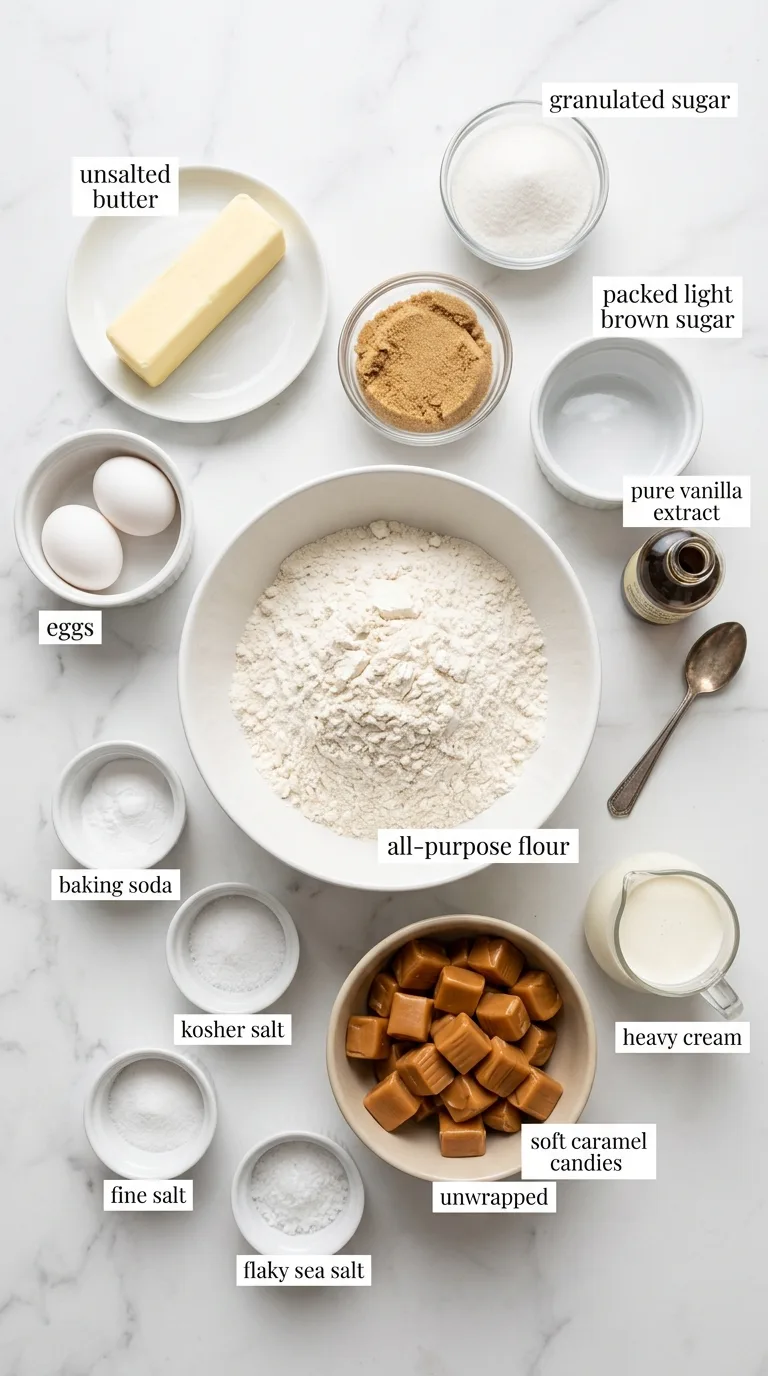
For the Brown Sugar Cookie Dough
- 1 cup (226 g) unsalted butter, softened
- ¾ cup (150 g) granulated sugar
- 1 cup (220 g) packed light brown sugar
- 2 large eggs (about 100 g without shells), at room temperature
- 2 teaspoons (10 mL) pure vanilla extract
- 3 cups (375 g) all-purpose flour, spooned and leveled
- 1 teaspoon (5 g) baking soda
- ½ teaspoon (about 1.5 g) kosher salt
For the Caramel Filling
- 11 ounces (312 g) soft caramel candies, unwrapped
- ⅓ cup (80 mL) heavy cream
- 1 tablespoon (8 g) all-purpose flour
- ½ teaspoon (2.5 mL) pure vanilla extract
- ¼ teaspoon (about 1.5 g) fine salt
Optional Finishing Touch
- ½ teaspoon (about 2 g) flaky sea salt, optional, for sprinkling
Ingredient Notes and Substitutions
- Soft Caramel Candies: Soft wrapped caramels create a thick filling that stays pleasantly chewy after baking. Choose individually wrapped soft caramels rather than hard caramel candy. Caramel sauce is not a direct substitute because it is usually too thin and can soak into the cookie layers.
- Brown Sugar: Light brown sugar contributes moisture and a caramel-like flavor to the cookie dough. Dark brown sugar can be substituted in the same amount for a deeper molasses flavor and slightly darker bars.
- Heavy Cream: Heavy cream loosens the melted caramel so it remains soft enough to bite after cooling. Half-and-half can work, but the filling may be slightly thinner. Milk is not ideal because its lower fat content can produce a less creamy caramel layer.
- Unsalted Butter: Butter gives the cookie layers richness and helps develop golden edges. Salted butter can be substituted, but reduce the kosher salt in the cookie dough to ¼ teaspoon.
- All-Purpose Flour: Flour provides structure to both the cookie dough and caramel filling. Measure it carefully using the spoon-and-level method. Too much flour can make the cookie layers dry, while too little can make them difficult to slice cleanly.
Step-by-Step Instructions
1. Preheat the Oven and Prepare the Pan
Preheat the oven to 350°F (175°C). Position a rack in the center.
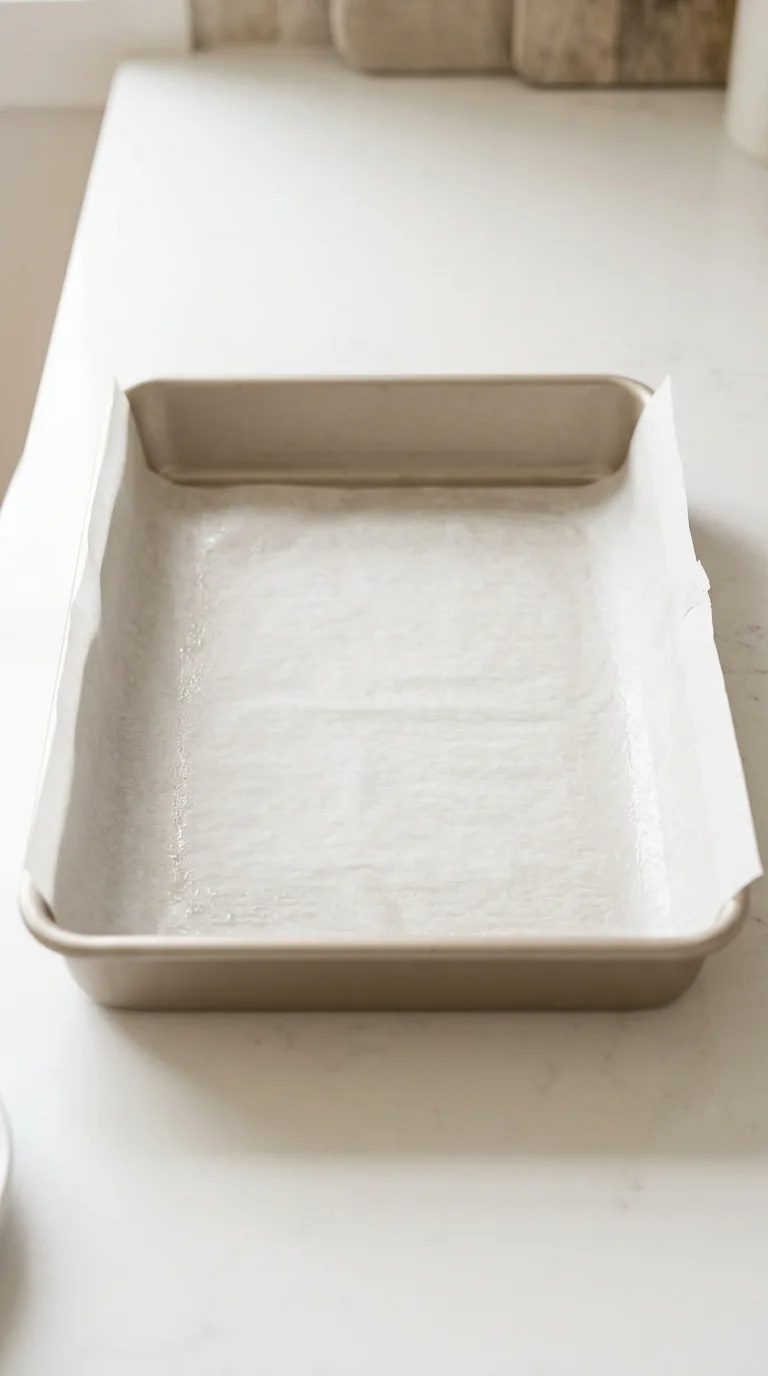
Lightly grease a 9 × 13-inch metal baking pan and line it with parchment paper, leaving overhang on the long sides for easy removal.
2. Cream the Butter and Sugars
In a large mixing bowl, beat the softened butter, granulated sugar, and brown sugar on medium speed for 2–3 minutes.
The mixture should look creamy, smooth, and slightly lighter in color.
Scrape down the bowl as needed.
3. Add the Eggs and Vanilla
Add the eggs one at a time, beating until fully incorporated after each addition.
Mix in the vanilla extract.
The mixture should look smooth and cohesive rather than curdled.
4. Combine the Dry Ingredients
In a separate bowl, whisk together the 3 cups (375 g) all-purpose flour, baking soda, and kosher salt.
Add the dry mixture to the butter mixture in two additions, mixing on low speed just until no dry flour remains.
The dough should be thick, soft, and easy to press into the pan.
5. Form and Prebake the Bottom Layer
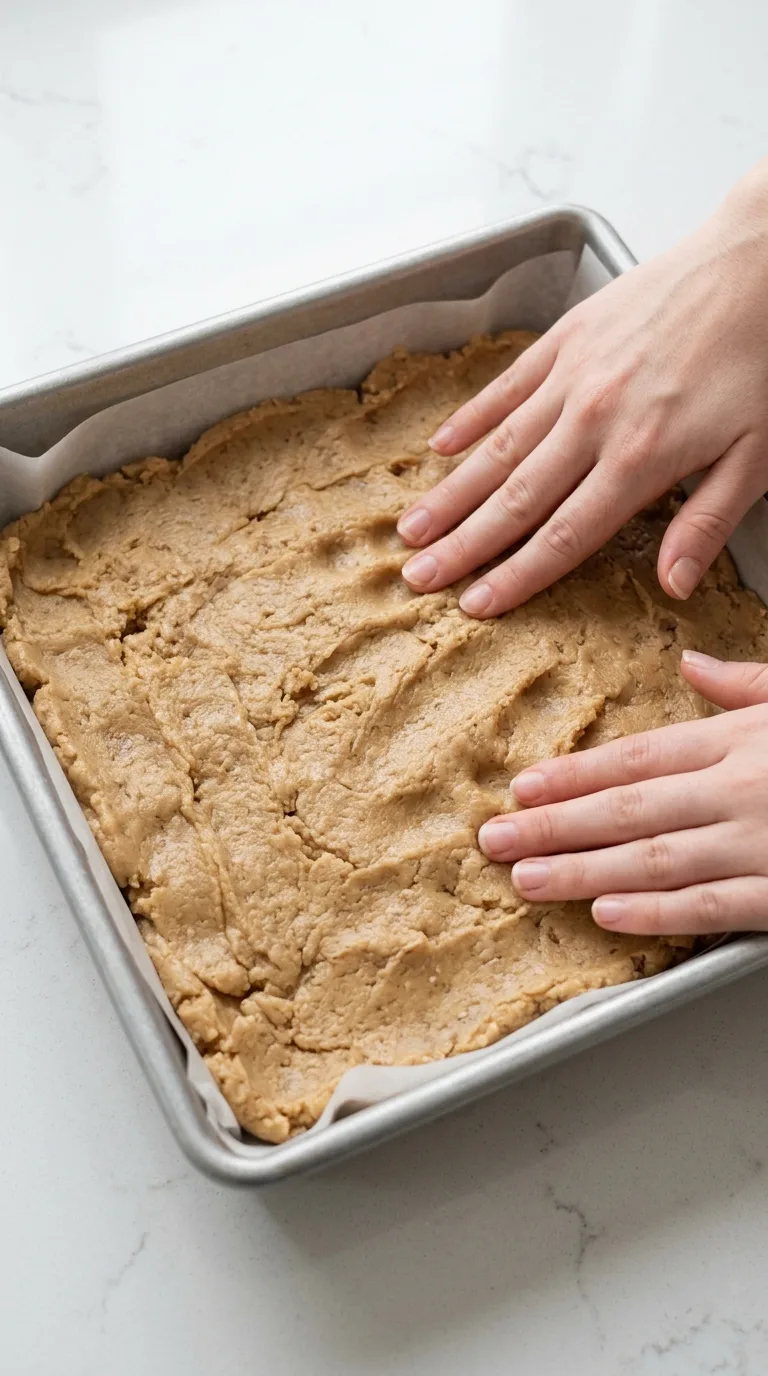
Press approximately two-thirds of the cookie dough evenly into the bottom of the prepared 9 × 13-inch pan.
Use lightly dampened fingers or an offset spatula to create a level surface.
Bake for 10–12 minutes, until the surface looks set but remains pale.
The crust should not be fully baked at this stage.
6. Make the Caramel Filling
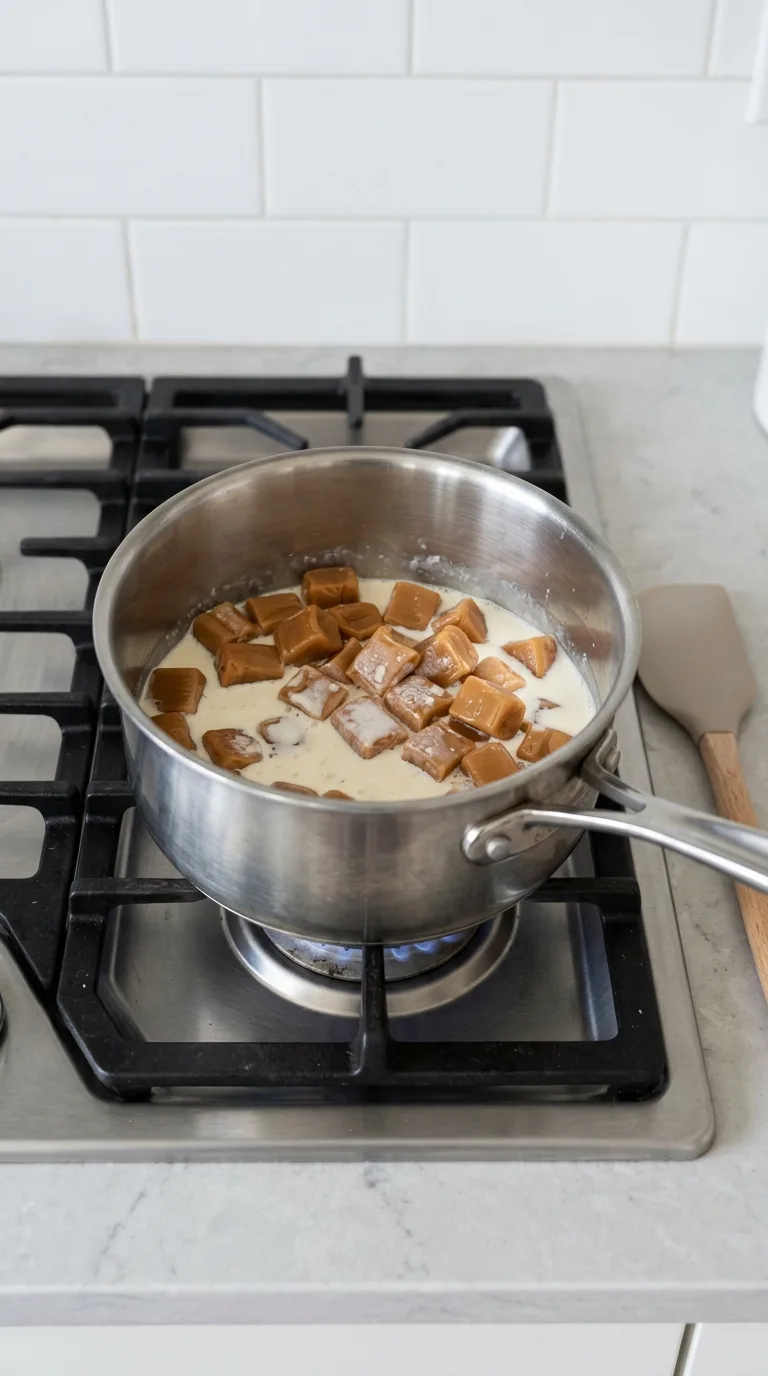
While the base bakes, place the soft caramels and heavy cream in a medium saucepan over low heat.
Stir frequently for about 4–6 minutes, until the caramels are completely melted and the mixture is smooth.
Remove from the heat.
Whisk in the 1 tablespoon (8 g) flour, vanilla extract, and fine salt until thoroughly combined.
The caramel should be thick, glossy, and pourable.
7. Add the Caramel Layer
Remove the partially baked crust from the oven.
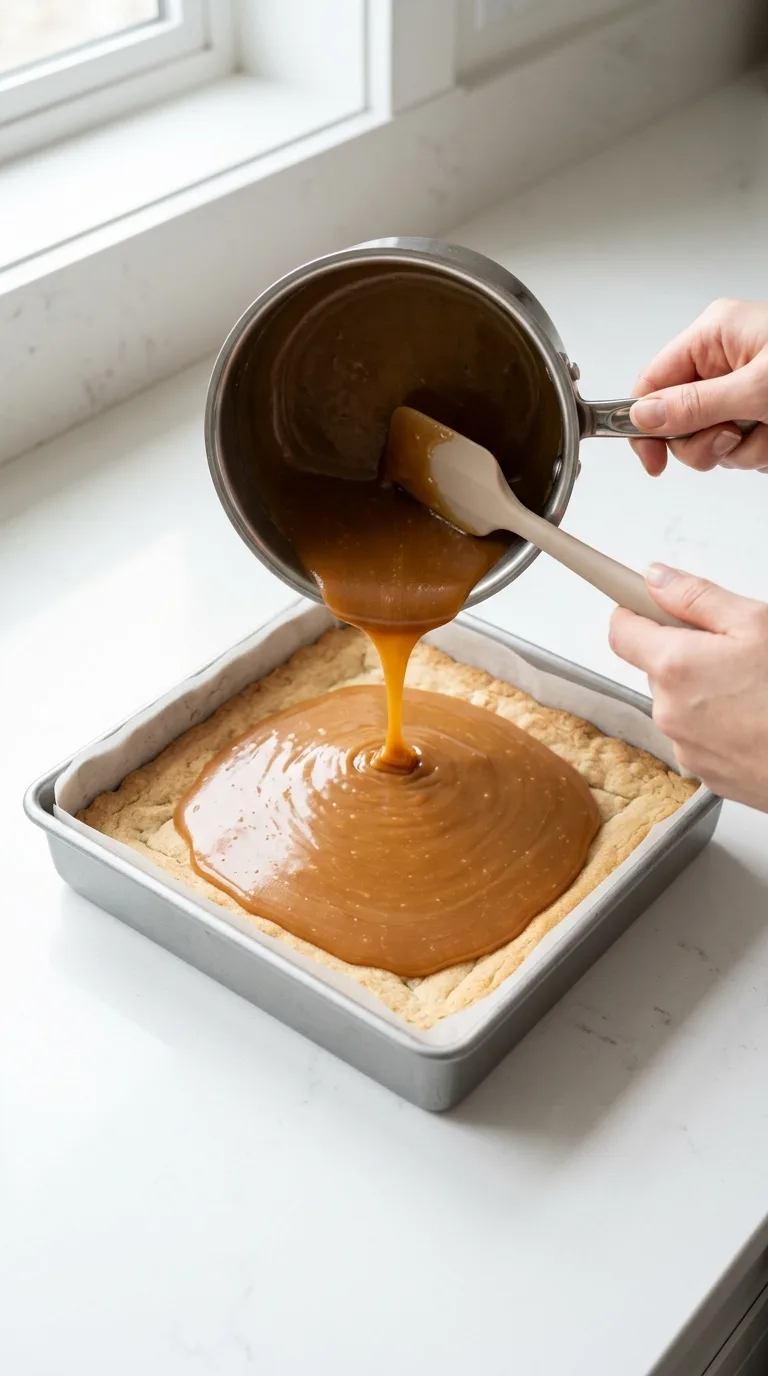
Carefully pour the warm caramel filling evenly over the surface, leaving approximately ¼ inch around the edges.
Spread gently with the back of a spoon if necessary.
Avoid scraping the pan too aggressively, which can disturb the soft cookie base.
8. Add the Remaining Cookie Dough
Take small pieces of the remaining cookie dough and flatten them slightly between your fingers.
Scatter them evenly over the caramel.
It is fine if some caramel remains visible between the pieces. The dough will spread slightly during baking and create a rustic, crumbled top.
9. Bake the Caramel Cookie Bars
Return the pan to the oven and bake for another 22–25 minutes.
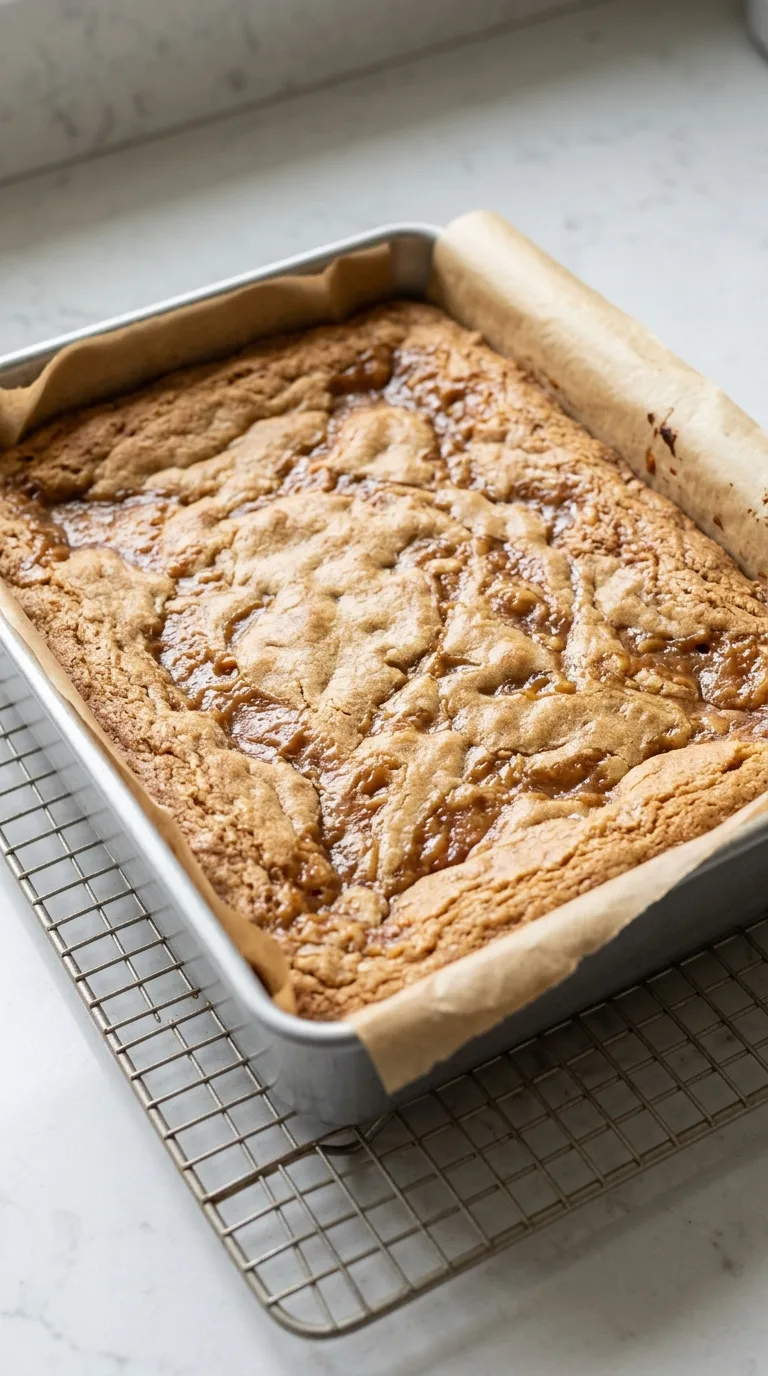
The top should be lightly golden, the edges should look set, and the caramel may bubble gently in the exposed spaces.
Avoid baking until the entire top is deeply browned, which can produce dry cookie layers and overly firm caramel.
10. Add the Optional Flaky Salt
Remove the pan from the oven.
If using the optional flaky sea salt, sprinkle it lightly over the surface while the bars are still warm.
The salt should be used sparingly so it balances rather than overwhelms the caramel.
11. Cool Completely
Place the baking pan on a wire rack and allow the bars to cool completely for about 2 hours.
Do not slice while warm. The caramel filling needs time to thicken and set enough to hold cleanly between the cookie layers.
For especially neat slices, refrigerate the fully cooled pan for 20–30 minutes before cutting.
12. Slice and Serve
Use the parchment paper overhang to lift the cooled slab from the pan.
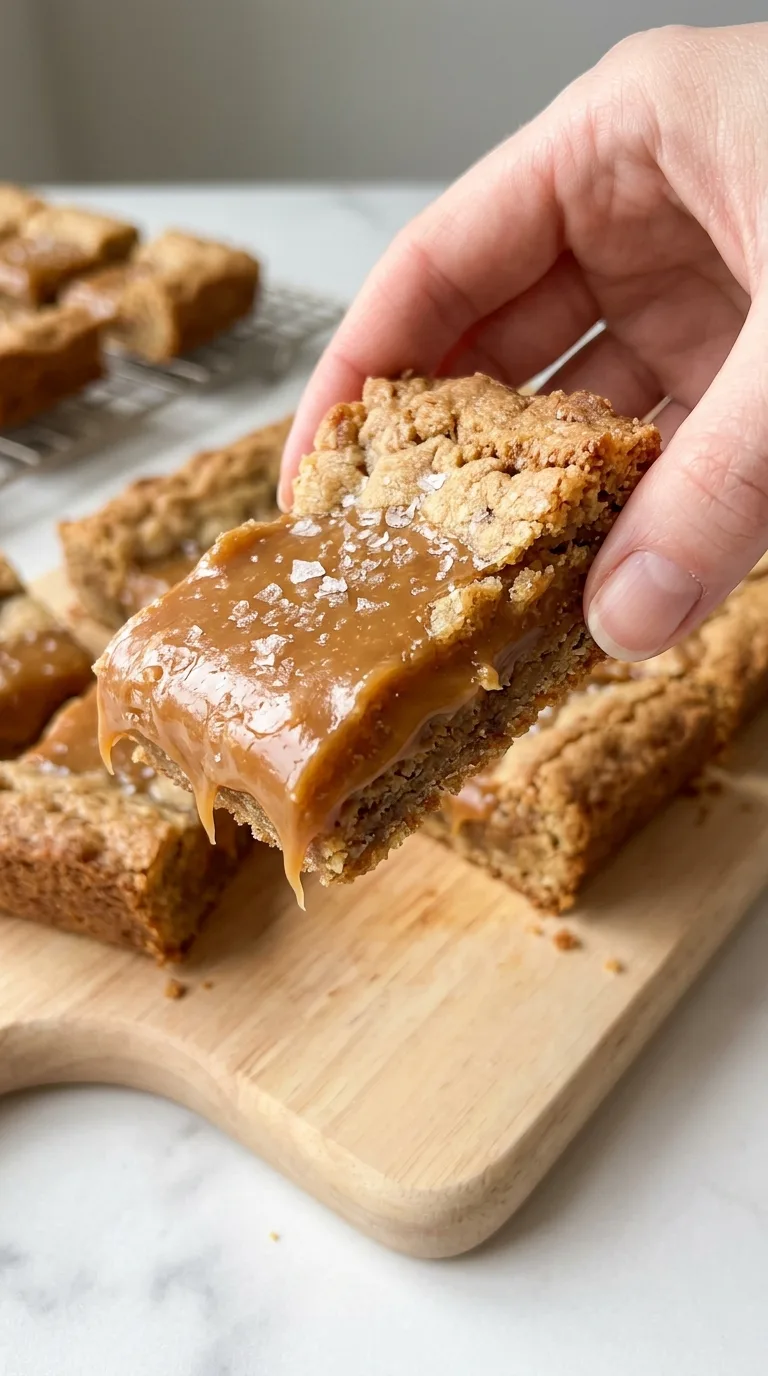
Place it on a cutting board and cut into 24 bars using a sharp knife.
Wipe the knife clean between cuts if caramel begins to collect on the blade.
Serve at room temperature for the softest caramel texture.
Storage, Freezing, and Make-Ahead Instructions
- Room-Temperature Storage: Store completely cooled Caramel Cookie Bars in an airtight container at room temperature for up to 4 days. Place parchment paper between layers if stacking. Keep the container in a cool, dry area, since a very warm kitchen can soften the caramel considerably.
- Refrigeration: For a firmer caramel texture, refrigerate the bars in an airtight container for up to 1 week. Allow refrigerated bars to stand at room temperature for about 15–20 minutes before serving if you prefer a softer, chewier center.
- Freezing: Caramel Cookie Bars freeze well. Arrange completely cooled bars in a freezer-safe container with parchment paper between layers. Freeze for up to 2 months.
- Thawing: Thaw frozen bars overnight in the refrigerator or for several hours at room temperature while still covered. Allow them to reach room temperature before serving for the softest caramel texture.
- Make-Ahead Preparation: Bake the bars up to 2 days before serving. Once completely cool, store them tightly covered at room temperature and slice when needed. For the cleanest edges, chill the cooled slab briefly before cutting, then allow the bars to return to room temperature before serving.
FAQ
Can I make Caramel Cookie Bars ahead of time?
Yes. Bake the bars up to 2 days ahead and store them tightly covered at room temperature after cooling completely. You can also refrigerate the uncut slab and slice it shortly before serving.
Why is my caramel filling too runny?
The bars may still be too warm. Caramel thickens considerably as it cools. Allow the full 2-hour cooling time before slicing. If the filling is still very loose after cooling, the caramel may have contained too much liquid or the flour may have been omitted.
Can I use homemade caramel sauce?
A thin pourable caramel sauce is not recommended because it can soak into the cookie base. A very thick homemade caramel that firms when cooled may work, but its consistency should resemble melted soft caramel candies rather than ice cream topping.
Can I add chocolate chips?
Yes. Fold up to 1 cup (170 g) of semisweet chocolate chips into the cookie dough before assembling the bars. The chocolate will make the bars richer and slightly sweeter.
How do I get clean slices?
Allow the bars to cool completely, then refrigerate them for 20–30 minutes. Lift the slab from the pan using the parchment, cut with a sharp knife, and wipe the blade between cuts.
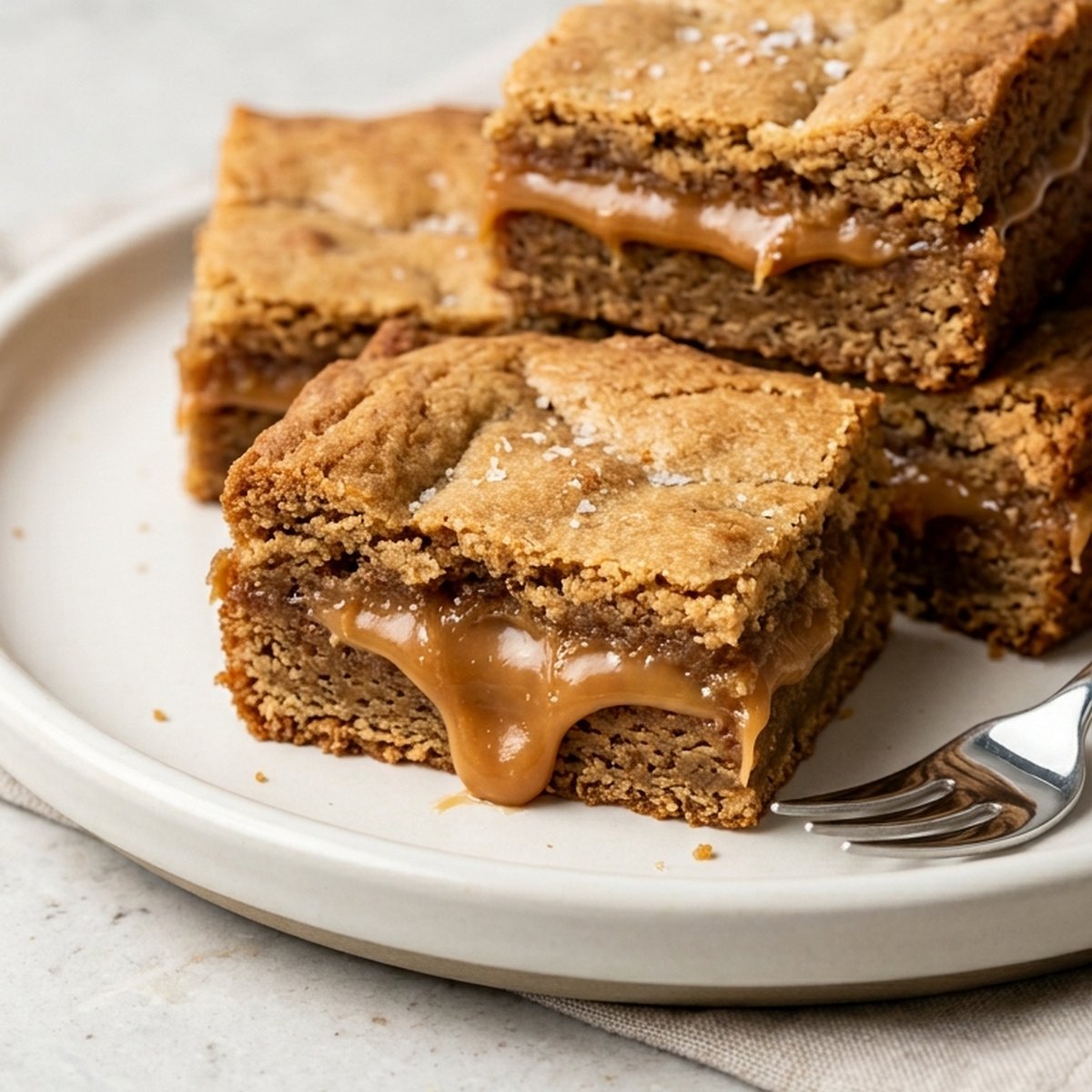
Caramel Cookie Bars
Ingredients
Method
- Preheat the oven to 350°F (175°C). Position a rack in the center. Lightly grease a 9 × 13-inch metal baking pan and line it with parchment paper, leaving overhang on the long sides for easy removal.
- In a large mixing bowl, beat the softened butter, granulated sugar, and brown sugar on medium speed for 2–3 minutes. The mixture should look creamy, smooth, and slightly lighter in color. Scrape down the bowl as needed.
- Add the eggs one at a time, beating until fully incorporated after each addition. Mix in the vanilla extract. The mixture should look smooth and cohesive rather than curdled.
- In a separate bowl, whisk together the 3 cups (375 g) all-purpose flour, baking soda, and kosher salt. Add the dry mixture to the butter mixture in two additions, mixing on low speed just until no dry flour remains. The dough should be thick, soft, and easy to press into the pan.
- Press approximately two-thirds of the cookie dough evenly into the bottom of the prepared 9 × 13-inch pan. Use lightly dampened fingers or an offset spatula to create a level surface. Bake for 10–12 minutes, until the surface looks set but remains pale. The crust should not be fully baked at this stage.
- While the base bakes, place the soft caramels and heavy cream in a medium saucepan over low heat. Stir frequently for about 4–6 minutes, until the caramels are completely melted and the mixture is smooth. Remove from the heat. Whisk in the 1 tablespoon (8 g) flour, vanilla extract, and fine salt until thoroughly combined. The caramel should be thick, glossy, and pourable.
- Remove the partially baked crust from the oven: Carefully pour the warm caramel filling evenly over the surface, leaving approximately ¼ inch around the edges. Spread gently with the back of a spoon if necessary. Avoid scraping the pan too aggressively, which can disturb the soft cookie base.
- Take small pieces of the remaining cookie dough and flatten them slightly between your fingers. Scatter them evenly over the caramel. It is fine if some caramel remains visible between the pieces. The dough will spread slightly during baking and create a rustic, crumbled top.
- Return the pan to the oven and bake for another 22–25 minutes. The top should be lightly golden, the edges should look set, and the caramel may bubble gently in the exposed spaces. Avoid baking until the entire top is deeply browned, which can produce dry cookie layers and overly firm caramel.
- Remove the pan from the oven: If using the optional flaky sea salt, sprinkle it lightly over the surface while the bars are still warm. The salt should be used sparingly so it balances rather than overwhelms the caramel.
- Place the baking pan on a wire rack and allow the bars to cool completely for about 2 hours. Do not slice while warm. The caramel filling needs time to thicken and set enough to hold cleanly between the cookie layers. For especially neat slices, refrigerate the fully cooled pan for 20–30 minutes before cutting.
- Use the parchment paper overhang to lift the cooled slab from the pan. Place it on a cutting board and cut into 24 bars using a sharp knife. Wipe the knife clean between cuts if caramel begins to collect on the blade. Serve at room temperature for the softest caramel texture.


