Cinnamon Roll Banana Bread combines soft, moist banana bread with the buttery brown sugar and cinnamon filling of a cinnamon roll. A thick cinnamon swirl runs through the center and across the top, while a simple vanilla glaze adds a sweet finish without making the loaf overly heavy.
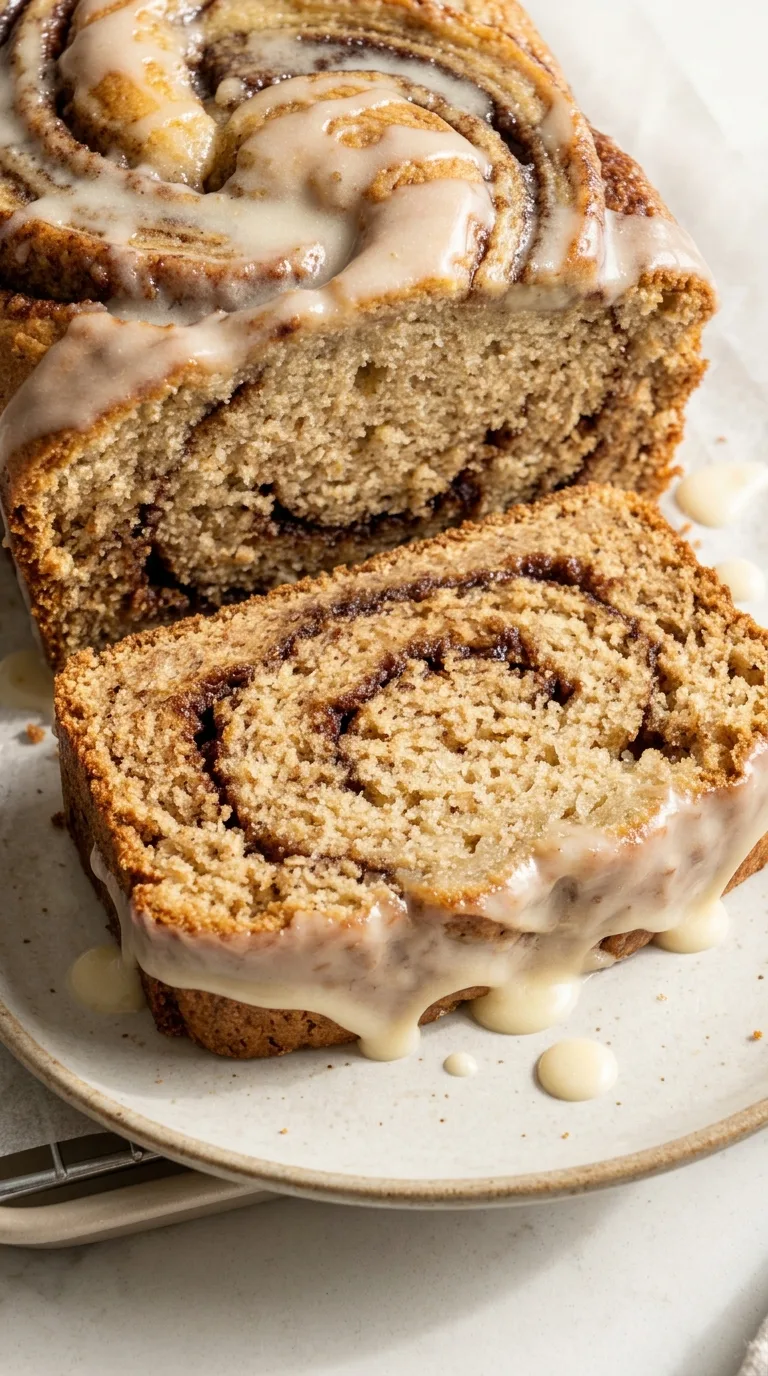
This easy quick bread requires no yeast, kneading, or rising time. It bakes in a standard 9 × 5-inch loaf pan and is a practical way to use very ripe bananas for breakfast, brunch, or an afternoon snack.
Why This Recipe Works
Ripe bananas keep the bread moist: Their natural sugars and moisture create a tender crumb while adding pronounced banana flavor.
A thick cinnamon filling stays distinct: Brown sugar, cinnamon, flour, and softened butter create a swirl that is less likely to disappear into the batter.
Oil keeps the loaf tender after cooling. Unlike butter, neutral oil remains fluid at room temperature and helps prevent a dry crumb.
Layering creates cinnamon roll flavor throughout. Adding the cinnamon mixture between two layers of batter distributes it through the loaf instead of concentrating it only on top.
A light vanilla glaze adds sweetness without masking the banana. The thin drizzle complements the cinnamon filling while allowing both primary flavors to remain noticeable.
Equipment Needed
- 9 × 5-inch loaf pan
- Parchment paper
- Large mixing bowl
- Medium mixing bowl
- Small mixing bowl
- Whisk
- Rubber spatula
- Butter knife or wooden skewer
- Wire cooling rack
- Toothpick or wooden skewer for checking doneness
Ingredients List
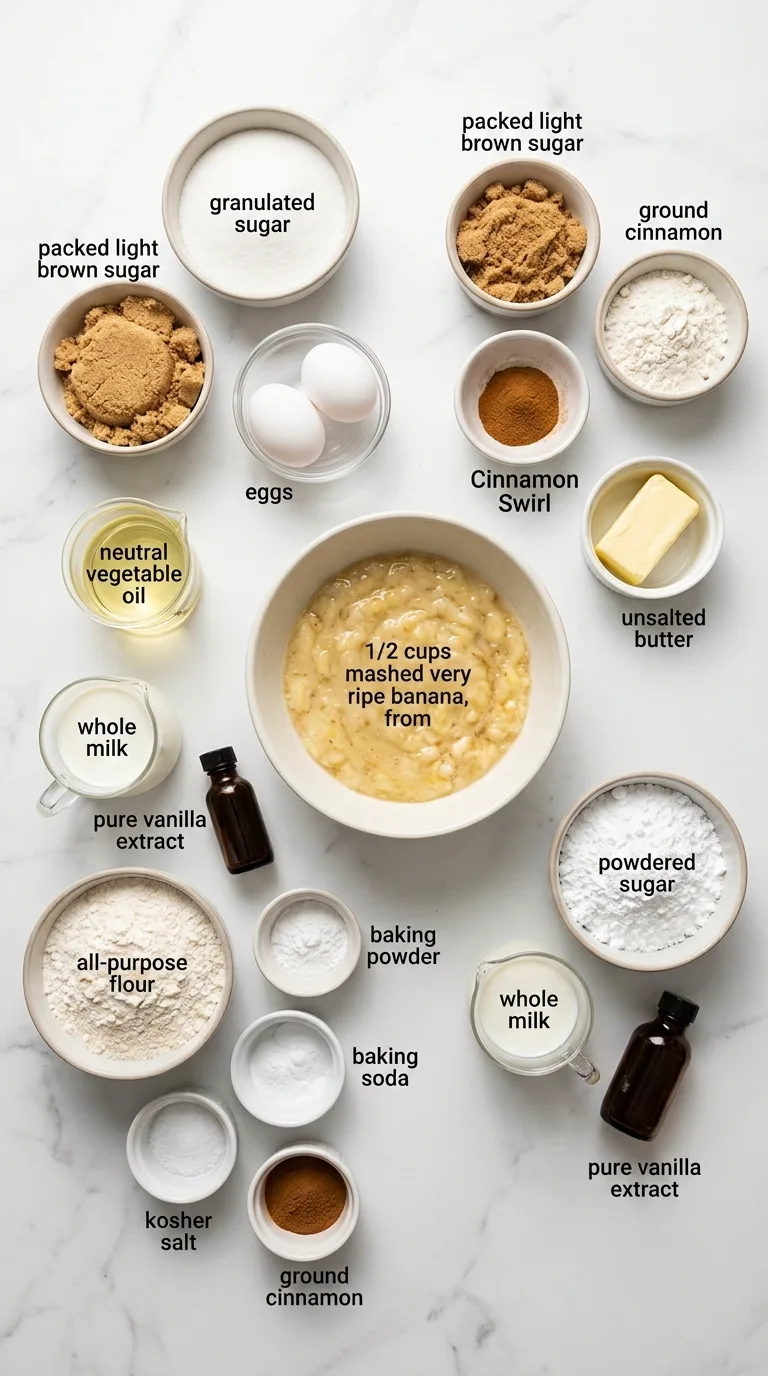
For the Banana Bread
- 1½ cups (340 g) mashed very ripe banana, from about 3 large bananas
- ½ cup (100 g) granulated sugar
- ¼ cup (55 g) packed light brown sugar
- 2 large eggs (about 100 g without shells), at room temperature
- ½ cup (120 mL) neutral vegetable oil
- ¼ cup (60 mL) whole milk
- 1 teaspoon (5 mL) pure vanilla extract
- 2 cups (250 g) all-purpose flour, spooned and leveled
- 1 teaspoon (4 g) baking powder
- ½ teaspoon (2.5 g) baking soda
- ½ teaspoon (about 1.5 g) kosher salt
- ½ teaspoon (about 1.25 g) ground cinnamon
For the Cinnamon Swirl
- ⅓ cup (73 g) packed light brown sugar
- 1 tablespoon (about 8 g) ground cinnamon
- 1 tablespoon (8 g) all-purpose flour
- 2 tablespoons (28 g) unsalted butter, softened
For the Vanilla Glaze
- ¾ cup (90 g) powdered sugar, sifted
- 1½ tablespoons (22 mL) whole milk
- ½ teaspoon (2.5 mL) pure vanilla extract
Ingredient Notes and Substitutions
Ripe Bananas: Use bananas with heavily spotted or mostly brown peels for the strongest flavor and easiest mashing. Measure the mashed fruit rather than relying only on the number of bananas. Excess banana can make the center gummy, so keep the amount at 1½ cups (340 g).
Vegetable Oil: Neutral vegetable oil keeps the loaf moist without competing with the banana and cinnamon. Canola oil is a suitable substitute. An equal amount of melted and slightly cooled unsalted butter can also be used, though the loaf may become somewhat firmer once cool.
Brown Sugar: Brown sugar adds moisture and a mild caramel flavor to both the batter and cinnamon swirl. Dark brown sugar can replace light brown sugar in equal amounts for a stronger molasses flavor and darker swirl.
Cinnamon: Cinnamon provides the cinnamon-roll character of the loaf. Use fresh ground cinnamon for the most aromatic flavor. Cinnamon is essential to the swirl, so there is no close substitute that produces the same result.
Whole Milk: Whole milk loosens the banana batter slightly and contributes tenderness. Two-percent milk can be substituted with only a small change in richness. Unsweetened oat milk can also work, though it may add a subtle cereal-like flavor.
Step-by-Step Instructions
1. Preheat the Oven and Prepare the Pan
Preheat the oven to 350°F (175°C). Position a rack in the center.
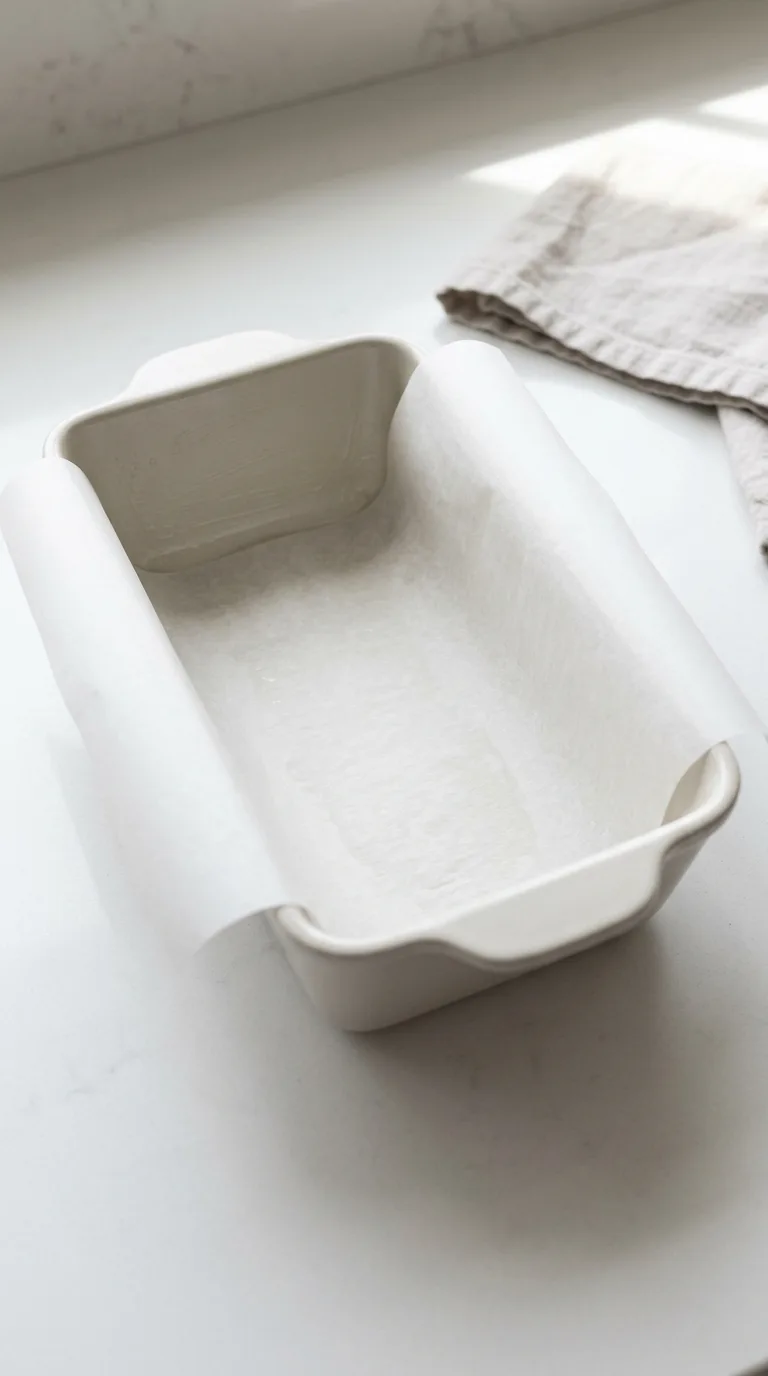
Lightly grease a 9 × 5-inch loaf pan and line the bottom and long sides with parchment paper, leaving enough overhang to lift the baked bread from the pan.
2. Prepare the Cinnamon Swirl
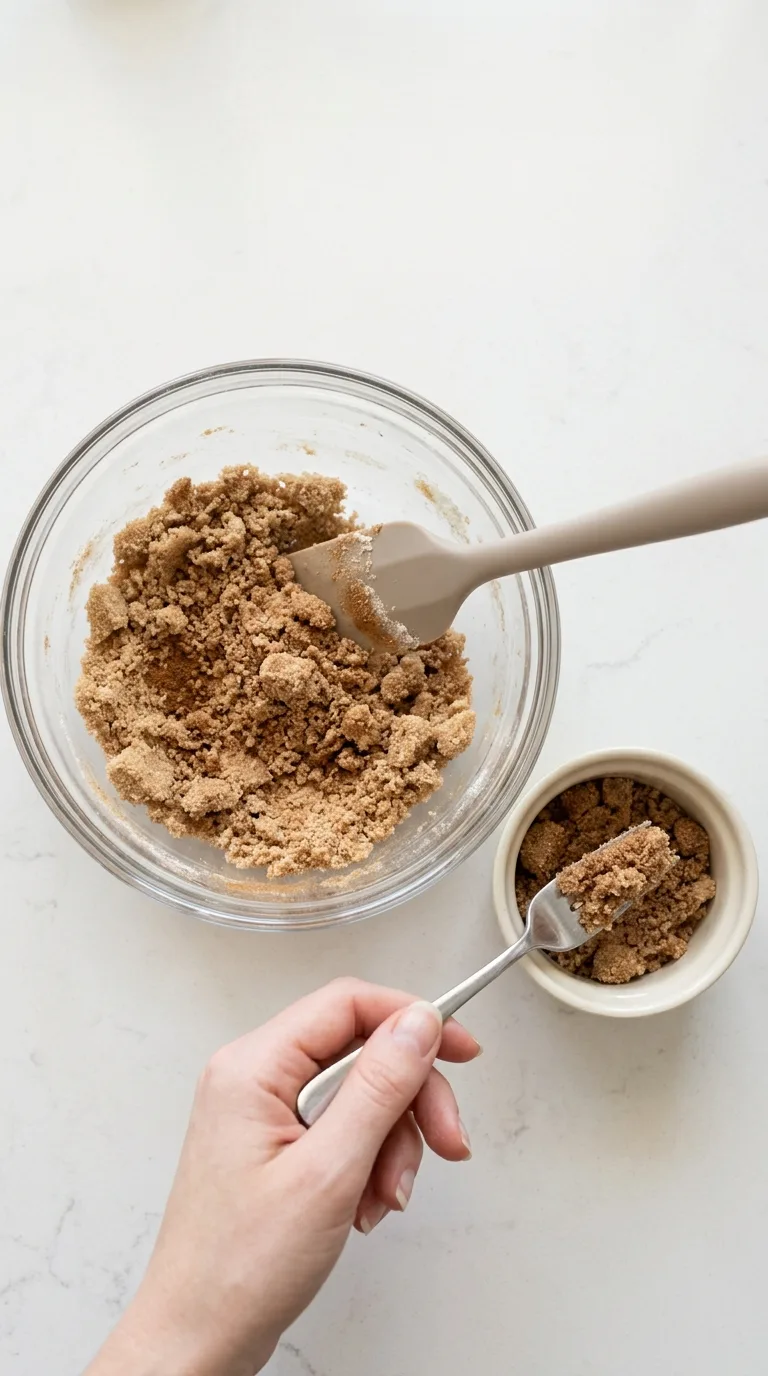
In a small bowl, combine the brown sugar, cinnamon, and flour for the swirl.
Add the softened butter and mash with a fork until the mixture resembles thick, moist crumbs.
It should hold together when pressed but should not be runny. Set aside.
3. Mash the Bananas
Peel the ripe bananas and mash them in a large mixing bowl until mostly smooth.
A few small lumps are fine, but avoid leaving large chunks that can create wet pockets in the baked loaf.
Measure exactly 1½ cups (340 g) of mashed banana.
4. Mix the Wet Ingredients
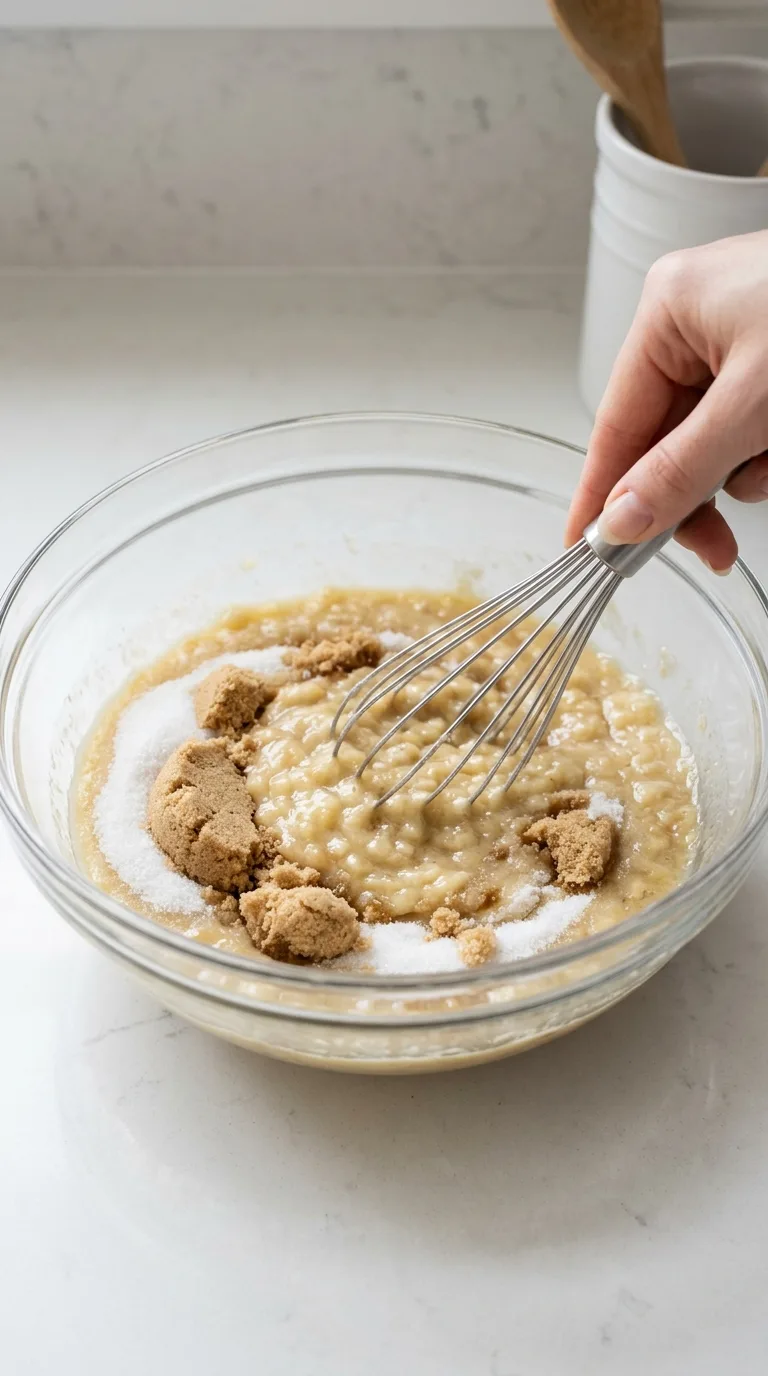
Add the granulated sugar and brown sugar to the mashed banana and whisk until combined.
Add the eggs, vegetable oil, whole milk, and vanilla extract. Whisk until the mixture looks smooth and evenly blended.
5. Combine the Dry Ingredients
In a separate medium bowl, whisk together the all-purpose flour, baking powder, baking soda, kosher salt, and cinnamon.
Mix thoroughly so the leavening agents are evenly distributed throughout the flour.
6. Make the Banana Bread Batter
Add the dry ingredients to the wet mixture.
Fold gently with a rubber spatula until no visible streaks of flour remain.
The batter should be thick but easily spreadable. Stop mixing as soon as everything is combined to avoid developing excess gluten.
7. Add the First Layer
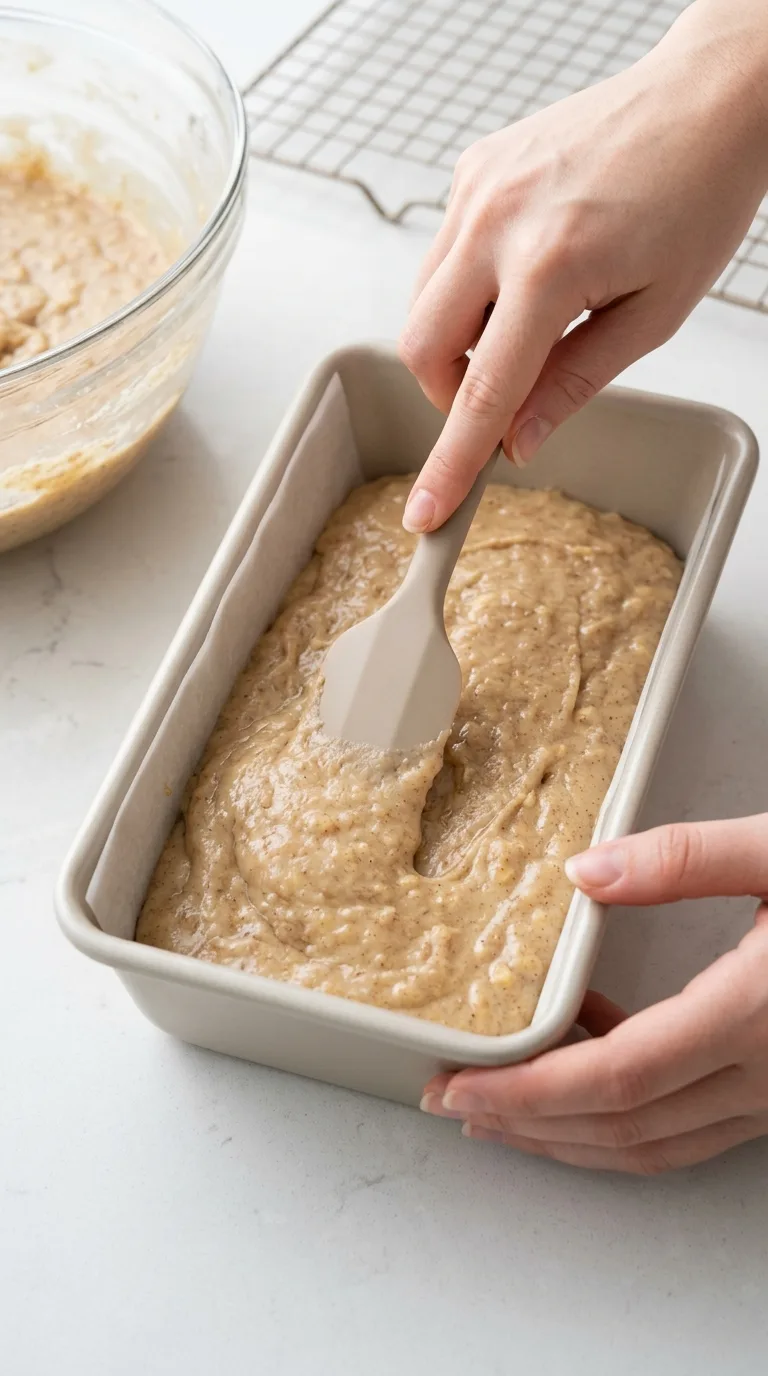
Spread approximately half of the banana bread batter evenly in the prepared loaf pan.
Use a spatula to push the batter gently into the corners and smooth the surface.
8. Add the Cinnamon Filling
Reserve about 2 tablespoons of the cinnamon mixture for the top.
Sprinkle the remaining cinnamon mixture evenly over the first layer of batter, keeping it about ½ inch away from the edges of the pan.
This helps prevent the sugar filling from sticking to the sides.
9. Add the Remaining Batter and Swirl
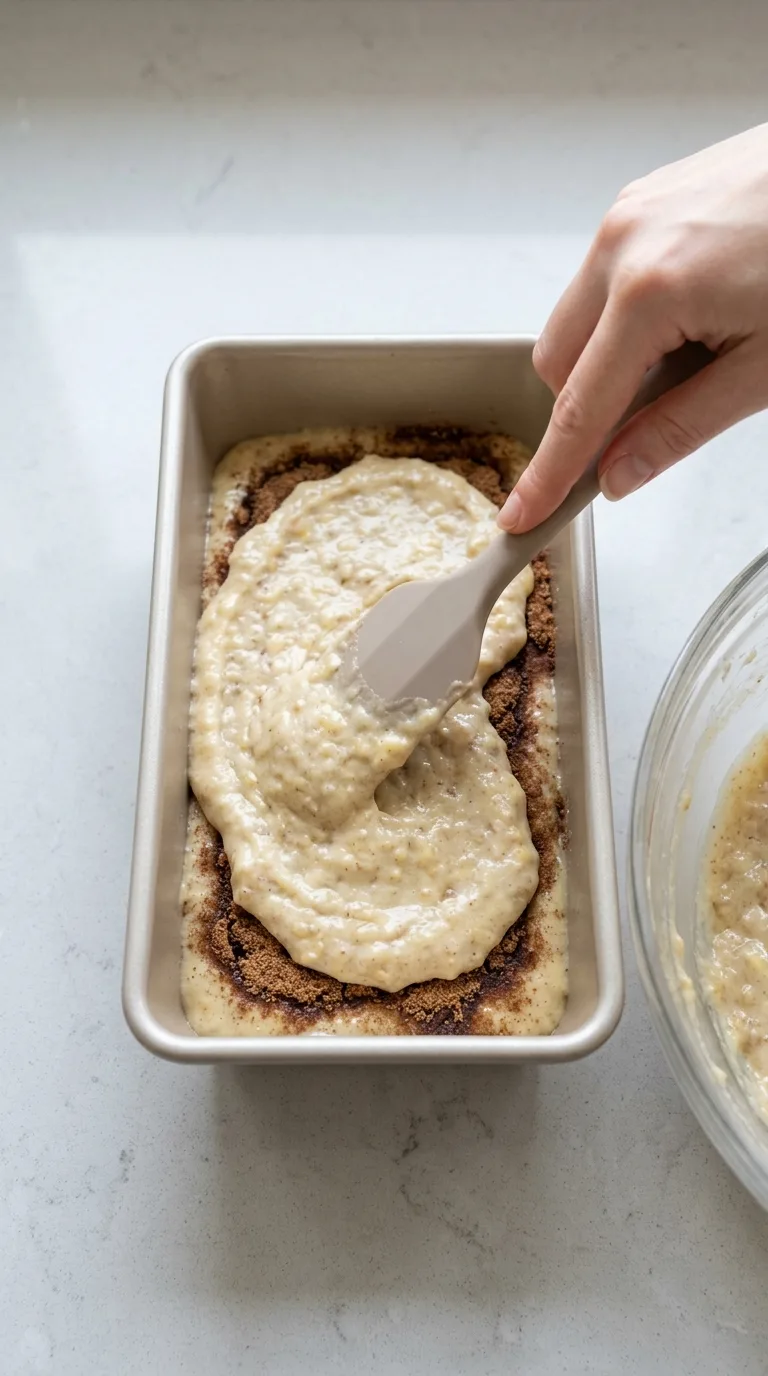
Carefully spread the remaining banana batter over the cinnamon layer.
Sprinkle the reserved cinnamon mixture over the surface.
Insert a butter knife or wooden skewer into the batter and make two or three gentle S-shaped movements through the loaf.
Avoid over-swirling, which can blend the cinnamon mixture completely into the batter instead of leaving distinct ribbons.
10. Bake the Bread
Bake at 350°F (175°C) for 55–65 minutes.
The loaf should rise, develop a deep golden-brown top, and begin pulling slightly away from the sides of the pan.
Insert a toothpick or wooden skewer into the banana bread portion near the center. It should come out clean or with a few moist crumbs, but no raw batter.
Avoid testing directly through a cinnamon pocket, which may look wet even when the bread is fully baked.
If the top browns too quickly, loosely cover it with aluminum foil during the final 15 minutes.
11. Cool the Loaf
Remove the pan from the oven and place it on a wire rack.
Let the bread cool in the pan for 15 minutes.
Use the parchment overhang to lift the loaf out, then place it directly on the rack and cool for another 30 minutes before glazing.
The loaf should be warm or completely cool rather than hot so the glaze stays visible instead of melting into the crust.
12. Make the Vanilla Glaze
In a small bowl, whisk together the sifted powdered sugar, whole milk, and vanilla extract.
The glaze should be smooth and thick enough to fall from the whisk in slow ribbons.
If it is too thick, add a few drops of milk. If it becomes too thin, whisk in a small amount of additional powdered sugar.
13. Glaze and Serve
Drizzle the vanilla glaze across the cooled loaf.
Allow the glaze to set for several minutes, then cut the bread into 10 slices with a serrated knife.
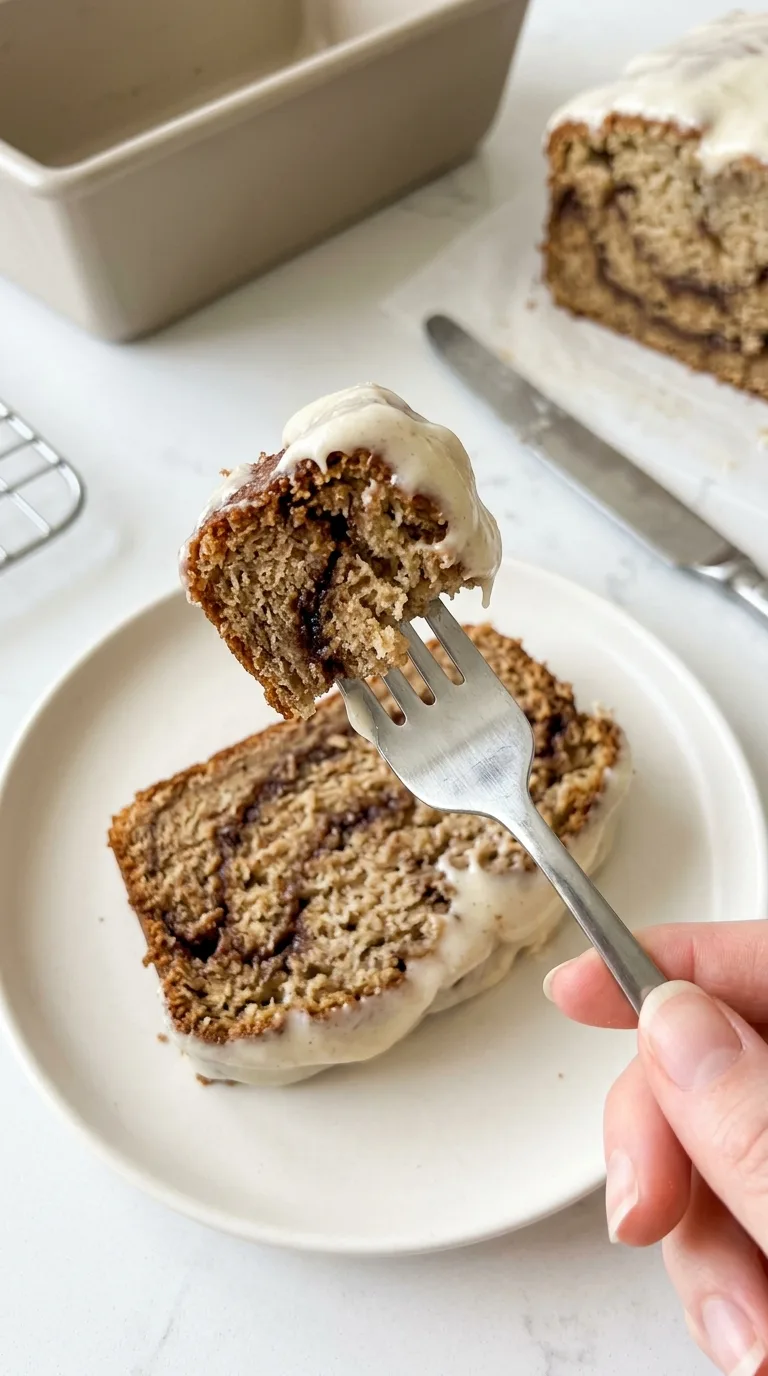
The finished loaf should have a soft banana crumb, distinct cinnamon-sugar ribbons, and a lightly sweet vanilla finish.
Storage, Freezing, and Make-Ahead Instructions
Room-Temperature Storage: Allow the glazed bread to cool completely and let the glaze set. Store in an airtight container or wrap tightly at room temperature for up to 2 days. Keep the loaf unsliced when possible to reduce moisture loss.
Refrigeration: For longer storage, refrigerate the bread in an airtight container for up to 5 days. Allow slices to stand at room temperature before serving for a softer texture.
Freezing: For the best appearance, freeze the bread without the vanilla glaze. Wrap the completely cooled loaf or individual slices tightly in plastic wrap, then place them in a freezer-safe bag or container. Freeze for up to 3 months.
Thawing and Reheating: Thaw a whole loaf overnight in the refrigerator or individual slices at room temperature. Warm unglazed slices in a 300°F (150°C) oven for about 5–8 minutes if desired. Apply fresh glaze after the bread has returned to room temperature.
Make-Ahead Preparation: Bake the loaf up to 2 days before serving and store it tightly wrapped once completely cool. For the freshest presentation, leave the loaf unglazed during storage and add the vanilla glaze shortly before serving. The cinnamon swirl can also be mixed a day ahead and refrigerated. Let it soften briefly before layering it into the batter.
FAQ
Can I make Cinnamon Roll Banana Bread ahead of time?
Yes. Bake the loaf up to 2 days ahead and store it tightly wrapped at room temperature once completely cool. For the neatest appearance, add the vanilla glaze shortly before serving.
Why is my banana bread gummy in the middle?
A gummy center can result from too much mashed banana, underbaking, or cutting the loaf while it is still very hot. Measure the banana carefully, bake until the center is fully set, and allow the bread to cool before slicing.
Can I make Cinnamon Roll Banana Bread without the glaze?
Yes. The loaf has plenty of flavor from the bananas and cinnamon filling without the glaze. You can leave it plain or lightly dust the cooled bread with powdered sugar.
Can I add nuts to this recipe?
Yes. Fold up to ½ cup (55 g) of chopped pecans or walnuts into the finished banana batter before layering it in the pan. The nuts add crunch and a more pronounced toasted flavor.
Can I make this recipe as muffins?
Yes. Divide the batter and cinnamon filling among 12 lined standard muffin cups, layering and swirling them as directed. Bake at 350°F (175°C) for approximately 20–24 minutes, or until a toothpick inserted into the muffin portion comes out without wet batter.
For more tested everyday recipes in this style, explore Hummingbird Bread with Cinnamon Cream Cheese Frosting, Banana Bread with Sour Cream, Pumpkin Cinnamon Roll Muffins with Vanilla Glaze, and Sour Cream Banana Bread.
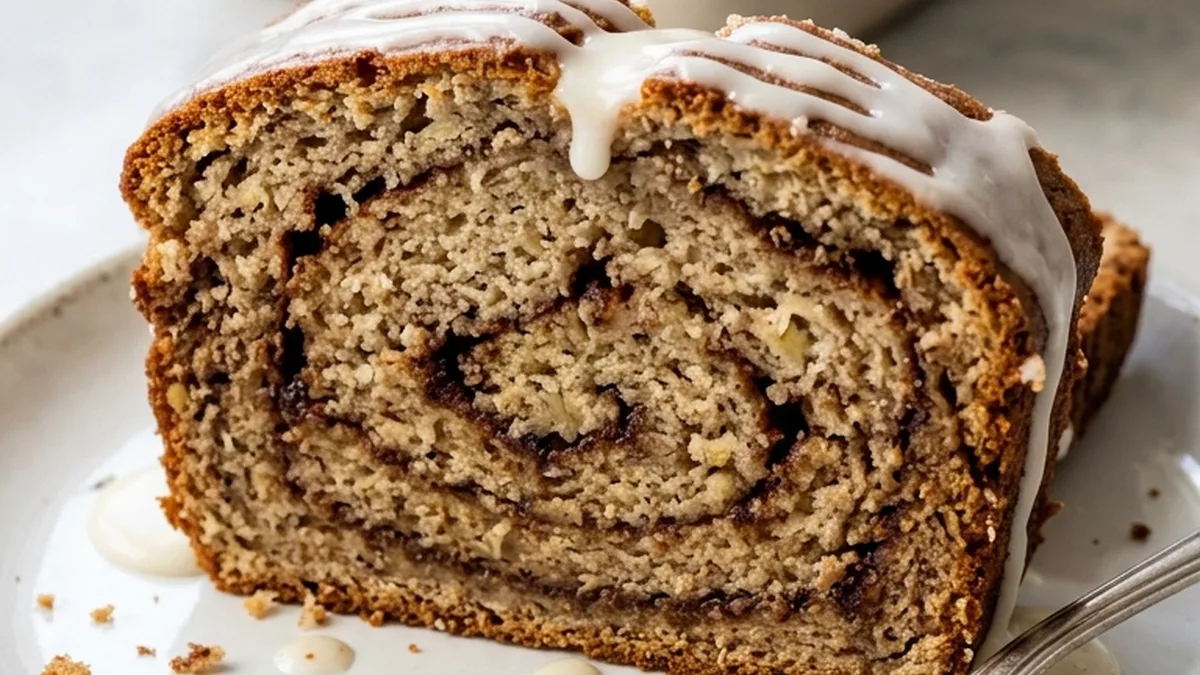

Cinnamon Roll Banana Bread with Cream Cheese Glaze
Ingredients
Method
- Preheat the oven to 350°F (175°C). Position a rack in the center. Lightly grease a 9 × 5-inch loaf pan and line the bottom and long sides with parchment paper, leaving enough overhang to lift the baked bread from the pan.
- In a small bowl, combine the brown sugar, cinnamon, and flour for the swirl. Add the softened butter and mash with a fork until the mixture resembles thick, moist crumbs. It should hold together when pressed but should not be runny. Set aside.
- Peel the ripe bananas and mash them in a large mixing bowl until mostly smooth. A few small lumps are fine, but avoid leaving large chunks that can create wet pockets in the baked loaf. Measure exactly 1½ cups (340 g) of mashed banana.
- Add the granulated sugar and brown sugar to the mashed banana and whisk until combined. Add the eggs, vegetable oil, whole milk, and vanilla extract. Whisk until the mixture looks smooth and evenly blended.
- In a separate medium bowl, whisk together the all-purpose flour, baking powder, baking soda, kosher salt, and cinnamon. Mix thoroughly so the leavening agents are evenly distributed throughout the flour.
- Add the dry ingredients to the wet mixture: Fold gently with a rubber spatula until no visible streaks of flour remain. The batter should be thick but easily spreadable. Stop mixing as soon as everything is combined to avoid developing excess gluten.
- Spread approximately half of the banana bread batter evenly in the prepared loaf pan. Use a spatula to push the batter gently into the corners and smooth the surface.
- Reserve about 2 tablespoons of the cinnamon mixture for the top. Sprinkle the remaining cinnamon mixture evenly over the first layer of batter, keeping it about ½ inch away from the edges of the pan. This helps prevent the sugar filling from sticking to the sides.
- Carefully spread the remaining banana batter over the cinnamon layer. Sprinkle the reserved cinnamon mixture over the surface. Insert a butter knife or wooden skewer into the batter and make two or three gentle S-shaped movements through the loaf. Avoid over-swirling, which can blend the cinnamon mixture completely into the batter instead of leaving distinct ribbons.
- Bake at 350°F (175°C) for 55–65 minutes. The loaf should rise, develop a deep golden-brown top, and begin pulling slightly away from the sides of the pan. Insert a toothpick or wooden skewer into the banana bread portion near the center. It should come out clean or with a few moist crumbs, but no raw batter. Avoid testing directly through a cinnamon pocket, which may look wet even when the bread is fully baked. If the top browns too quickly, loosely cover it with aluminum foil during the final 15 minutes.
- Remove the pan from the oven and place it on a wire rack. Let the bread cool in the pan for 15 minutes. Use the parchment overhang to lift the loaf out, then place it directly on the rack and cool for another 30 minutes before glazing. The loaf should be warm or completely cool rather than hot so the glaze stays visible instead of melting into the crust.
- In a small bowl, whisk together the sifted powdered sugar, whole milk, and vanilla extract. The glaze should be smooth and thick enough to fall from the whisk in slow ribbons. If it is too thick, add a few drops of milk. If it becomes too thin, whisk in a small amount of additional powdered sugar.
- Drizzle the vanilla glaze across the cooled loaf: Allow the glaze to set for several minutes, then cut the bread into 10 slices with a serrated knife. The finished loaf should have a soft banana crumb, distinct cinnamon-sugar ribbons, and a lightly sweet vanilla finish.
Liza Hamilton
Home baker & recipe creator behind LizaRecipes.com in Portland, Oregon—sharing dependable scratch baking, festive treats, and cozy family dinners with clear visual cues. More About Liza → • Follow on Pinterest