Homemade Spaghetti Sauce is a rich, savory tomato sauce made with canned tomatoes, onion, garlic, Italian herbs, and a touch of sugar to balance the acidity. Simmering the sauce slowly gives it a thicker texture and deeper flavor than a quick stovetop sauce, while keeping the ingredient list simple.
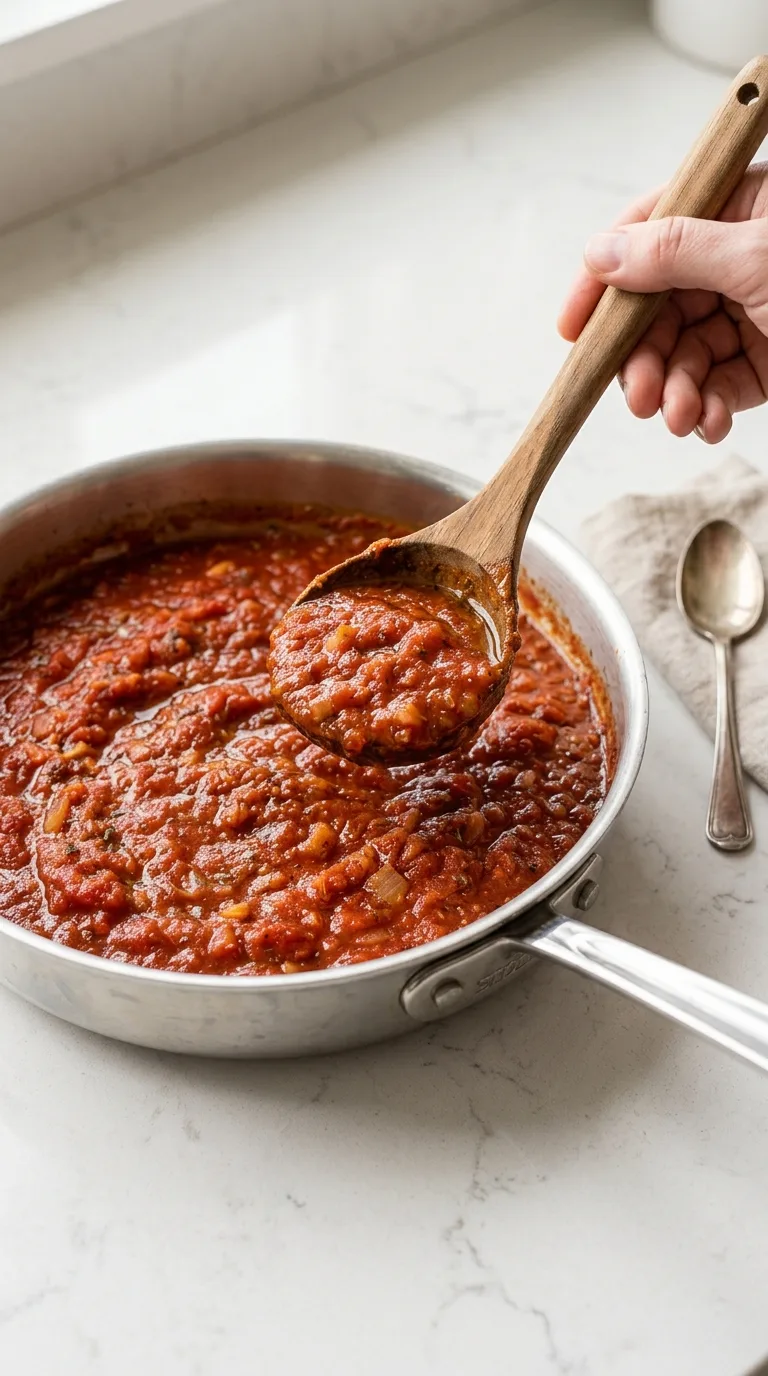
This easy sauce is versatile enough for spaghetti, lasagna, baked pasta, or meatballs. It can be made ahead and refrigerated or frozen, making it a useful staple for busy weeknight meals.
Recipe at a Glance
- Prep Time: 10 minutes
- Cook Time: 45 minutes
- Additional Time: 5 minutes
- Total Time: 1 hour
- Yield: About 5 cups sauce
- Servings: 8
- Difficulty: Easy
Why You Will Love This Recipe
- Tomato paste adds concentrated flavor.
- Sautéed onion and garlic build the base.
- A gentle simmer reduces excess liquid.
- A small amount of sugar balances acidity.
- Dried herbs hold up during simmering.
What You Need Before You Start
- Large heavy-bottomed saucepan or Dutch oven
- Wooden spoon
- Chef's knife
- Cutting board
- Immersion blender (optional)
Ingredients and Helpful Swaps
- ■ 2 tablespoons extra-virgin olive oil (30 mL) — divided
- ■ 1 medium yellow onion (about 150 g) — finely diced
- ■ 4 garlic cloves (12 g) — minced
- ■ 2 tablespoons tomato paste (33 g)
- ■ 2 cans crushed tomatoes, 28 ounces each (1.59 kg total) — undrained
- ■ 1 teaspoon Italian seasoning (3 g)
- ■ 1/2 teaspoon dried oregano (1 g)
- ■ 1 teaspoon granulated sugar (4 g)
- ■ 1 teaspoon kosher salt (5 g)
- ■ 1/2 teaspoon black pepper (1 g)
- ■ 1/4 teaspoon red pepper flakes (0.5 g) — optional
- ■ 1/2 cup water (120 mL)
- ■ 2 tablespoons chopped fresh basil (5 g) — optional, for finishing
How to Make Homemade Spaghetti Sauce
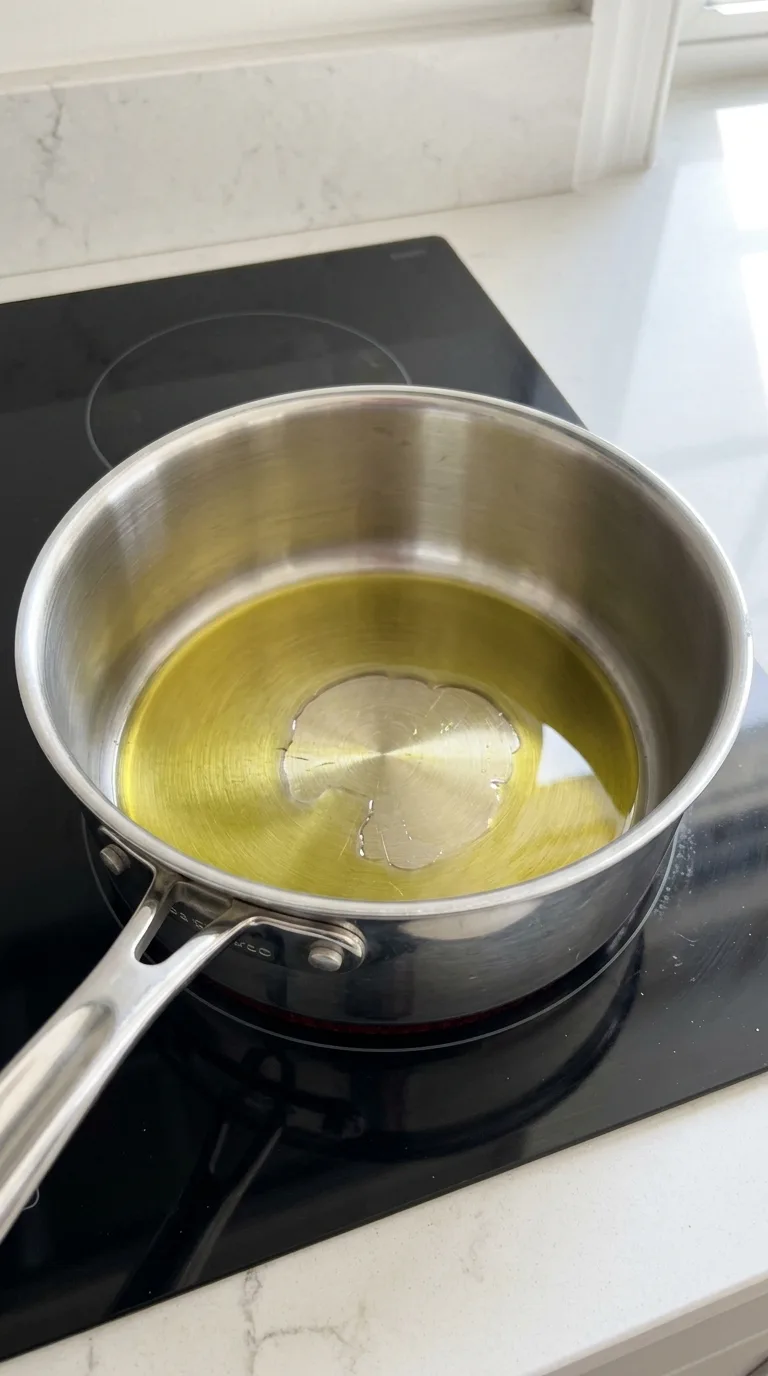
- Warm the oil. Heat 1 tablespoon of the olive oil in a large heavy-bottomed saucepan over medium heat. Add the diced onion and cook for 5 to 7 minutes, stirring occasionally, until softened and translucent. It should not be deeply browned.

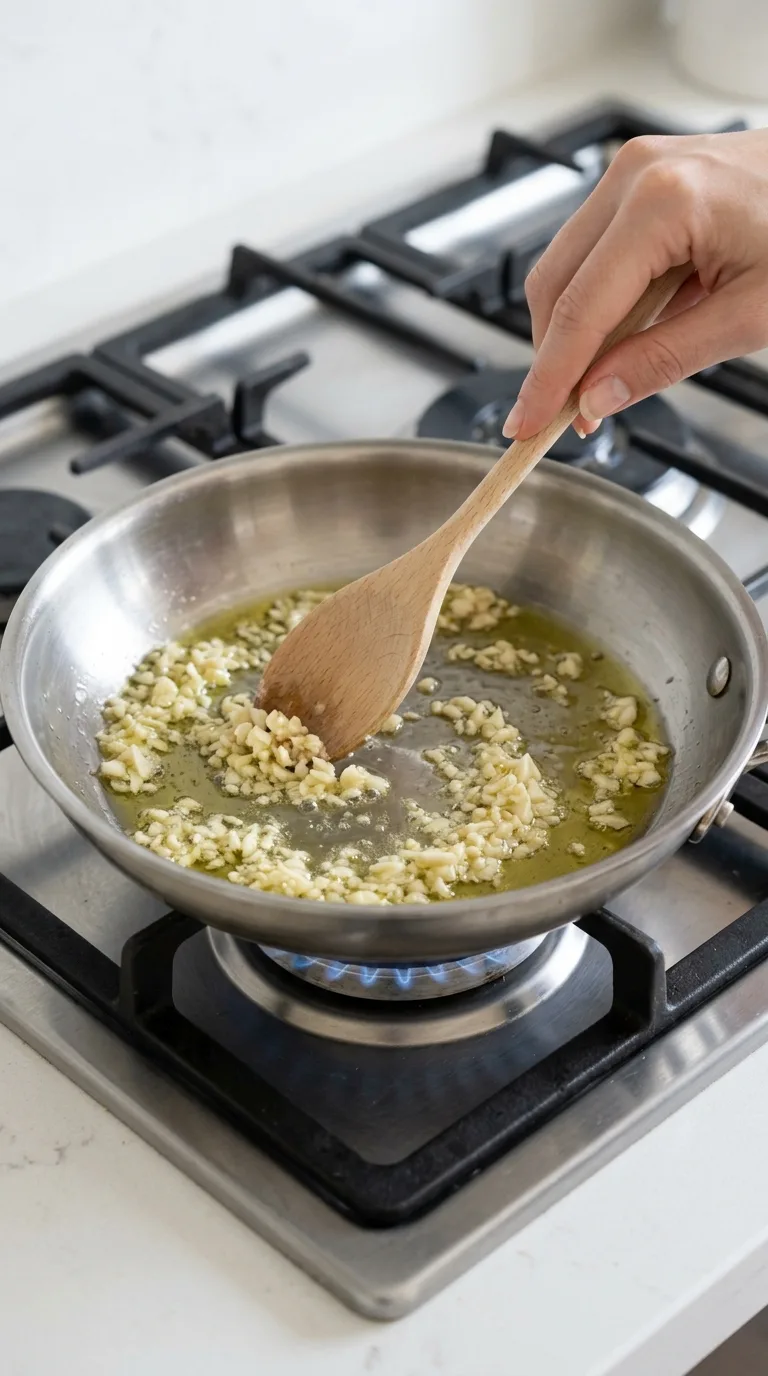
- Cook the garlic. Add the minced garlic and cook for about 30 seconds, stirring constantly, until fragrant. Do not let the garlic turn dark brown, as it can become bitter.
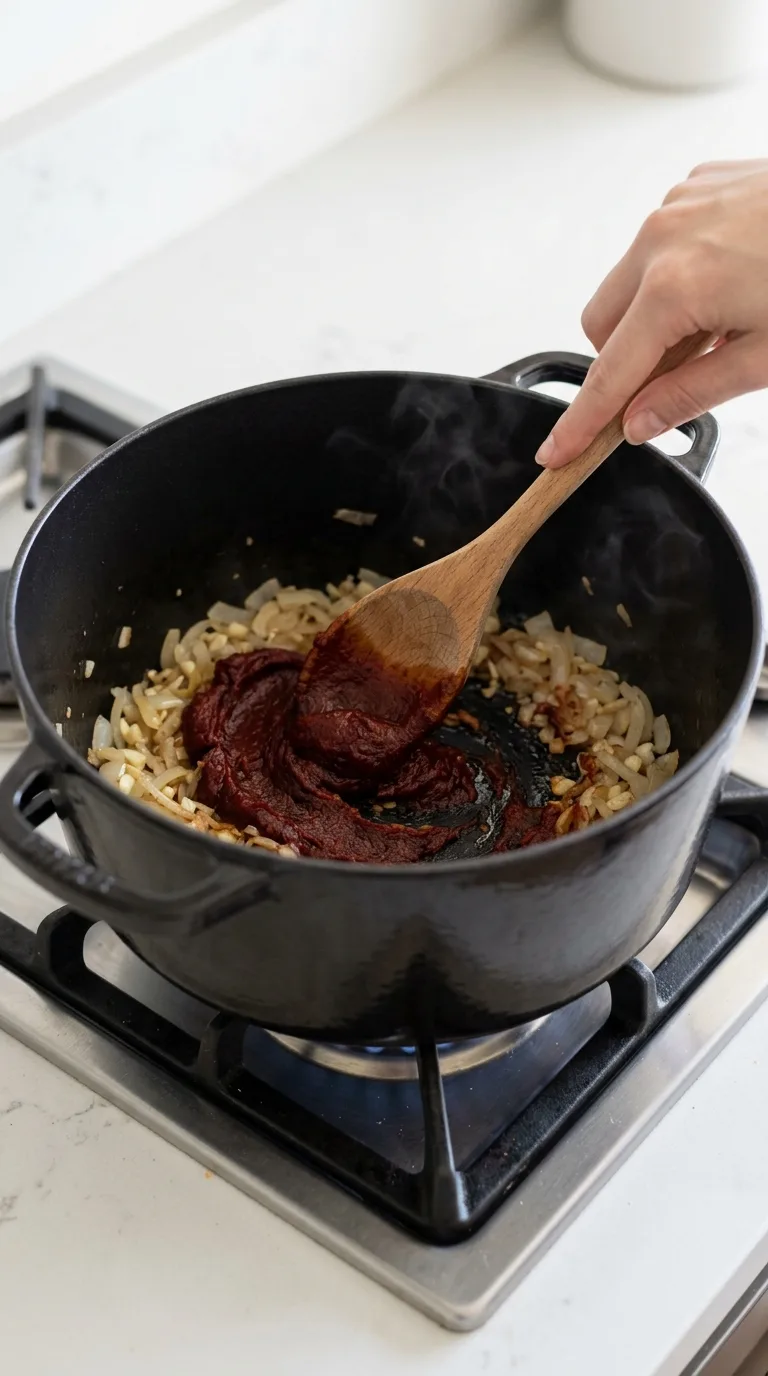
- Toast the tomato paste. Stir in the tomato paste and cook for 1 to 2 minutes. The paste should darken slightly and coat the bottom of the pan.
- Add the tomatoes and seasonings. Stir in the crushed tomatoes, Italian seasoning, dried oregano, granulated sugar, kosher salt, black pepper, optional red pepper flakes, and water. Scrape the bottom of the pan with a wooden spoon to loosen any concentrated tomato paste.
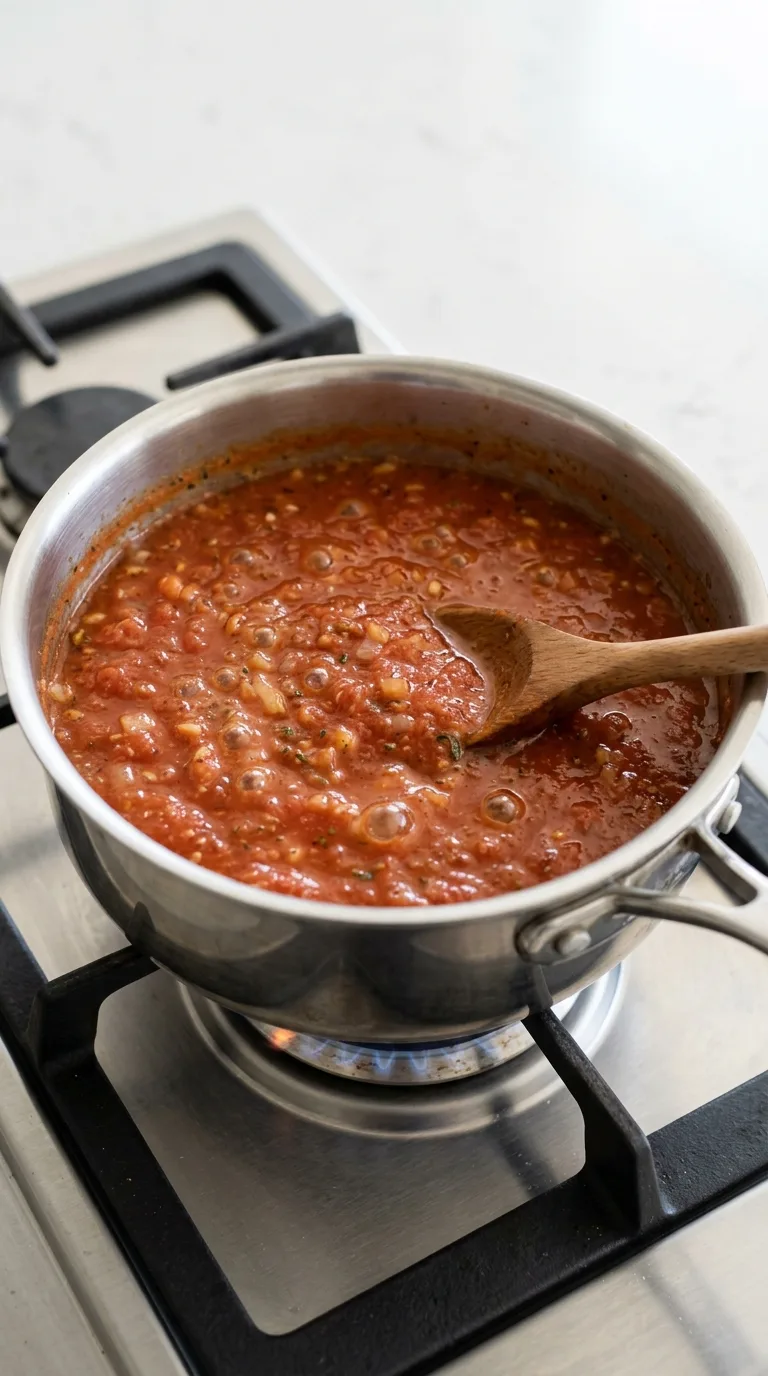
- Bring to a gentle simmer. Increase the heat slightly and bring the sauce to a gentle simmer. Once bubbling, reduce the heat to low. The surface should show occasional small bubbles rather than a vigorous boil.
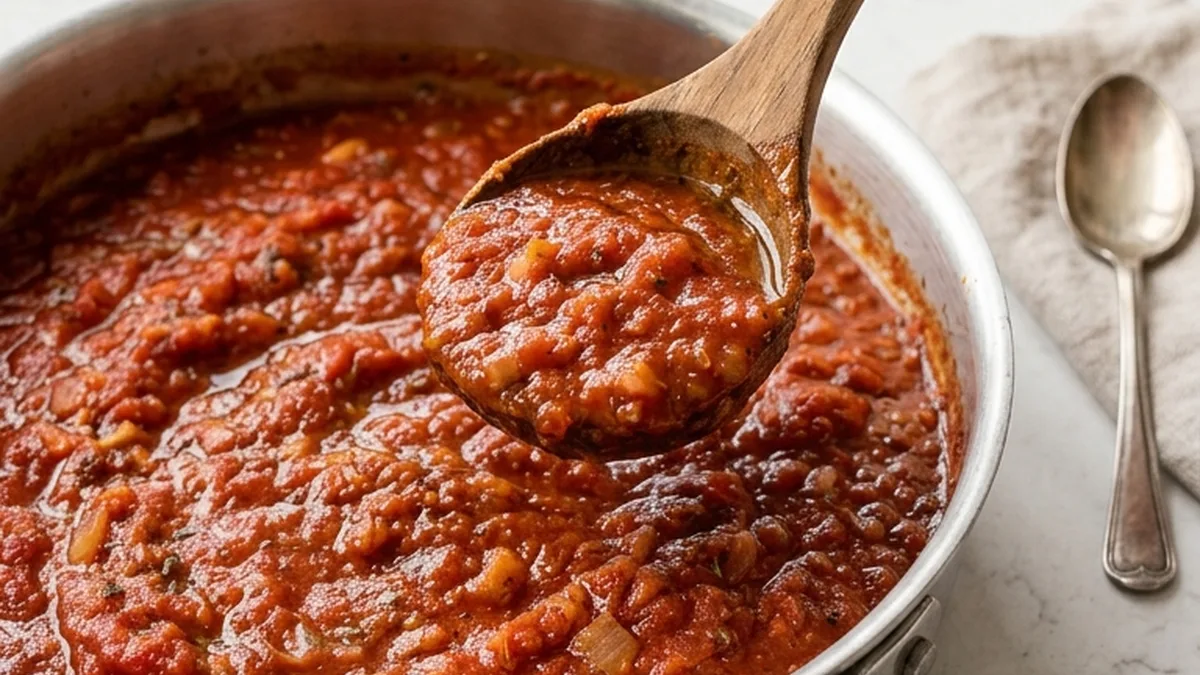
- Simmer the sauce. Cook uncovered for 35 to 40 minutes, stirring every 5 to 10 minutes. As it reduces, the sauce should become thicker and darker, with the oil lightly visible around the edges.
- Adjust the texture. Taste the sauce and adjust the seasoning only if needed. For a smoother sauce, use an immersion blender directly in the saucepan until it reaches your preferred consistency. Leave it chunky if you prefer a more rustic sauce.
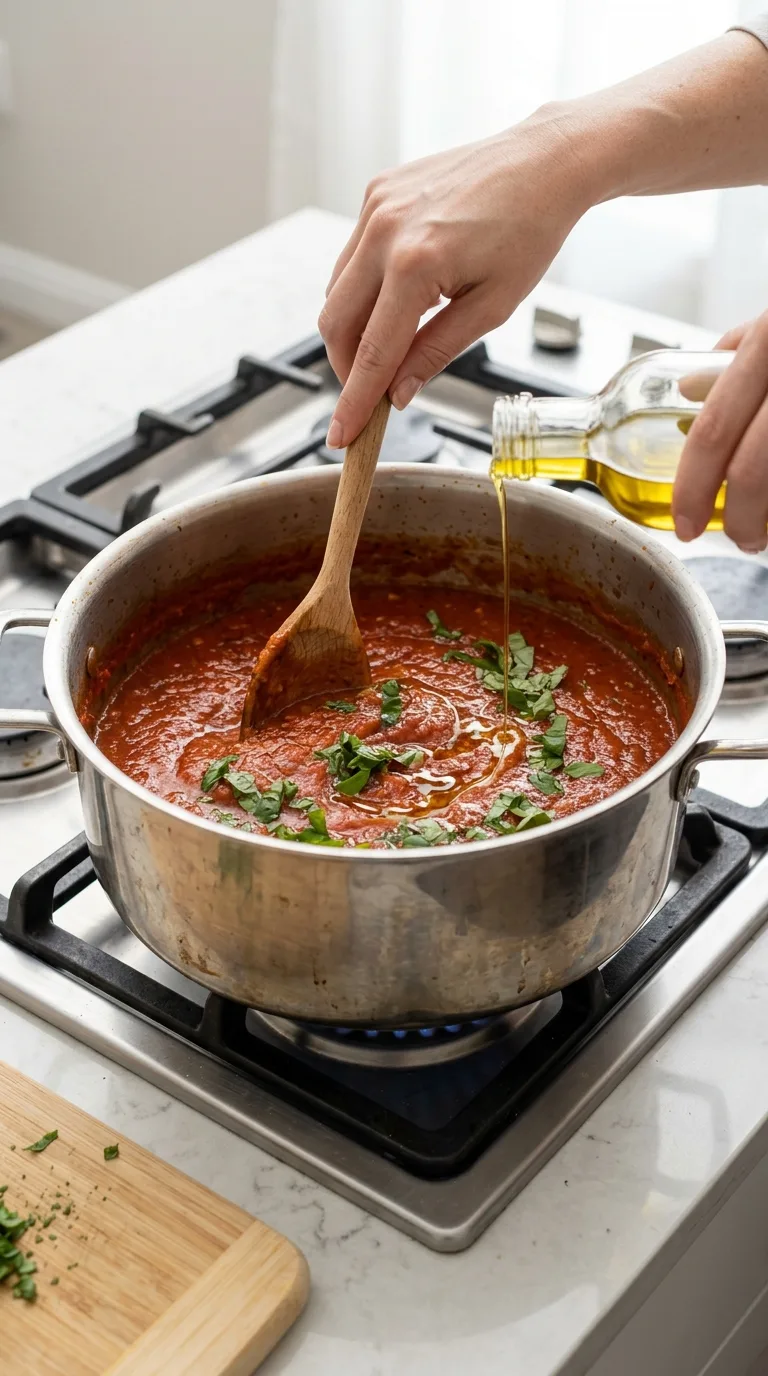
- Finish with olive oil and basil. Stir in the remaining 1 tablespoon olive oil and the optional chopped fresh basil. Simmer for 1 additional minute, then remove from the heat.
- Rest before serving. Let the sauce stand for 5 minutes before tossing it with cooked spaghetti or using it in another recipe. If the sauce becomes thicker than desired, stir in a small amount of warm water until it reaches the consistency you want.
Storage and Make-Ahead Tips
- Cool the sauce promptly and store it in an airtight container in the refrigerator for up to 4 days.
- For longer storage, freeze the cooled sauce in freezer-safe containers or bags for up to 3 months.
- The sauce can be made up to 2 days ahead, and its flavor will become more rounded after resting in the refrigerator.
FAQ
Can I make homemade spaghetti sauce without sugar?
Yes. The sugar is included to balance the natural acidity of the tomatoes, not to make the sauce sweet.
Can I use fresh tomatoes instead of canned tomatoes?
Yes, but the recipe will require additional preparation and cooking time because fresh tomatoes contain varying amounts of water. Canned crushed tomatoes provide more consistent texture and acidity for this version.
How can I make the sauce smoother?
Use an immersion blender after simmering until the sauce reaches your preferred texture. You can also leave it rustic and chunky if you prefer more texture.
Can I add meat to this sauce?
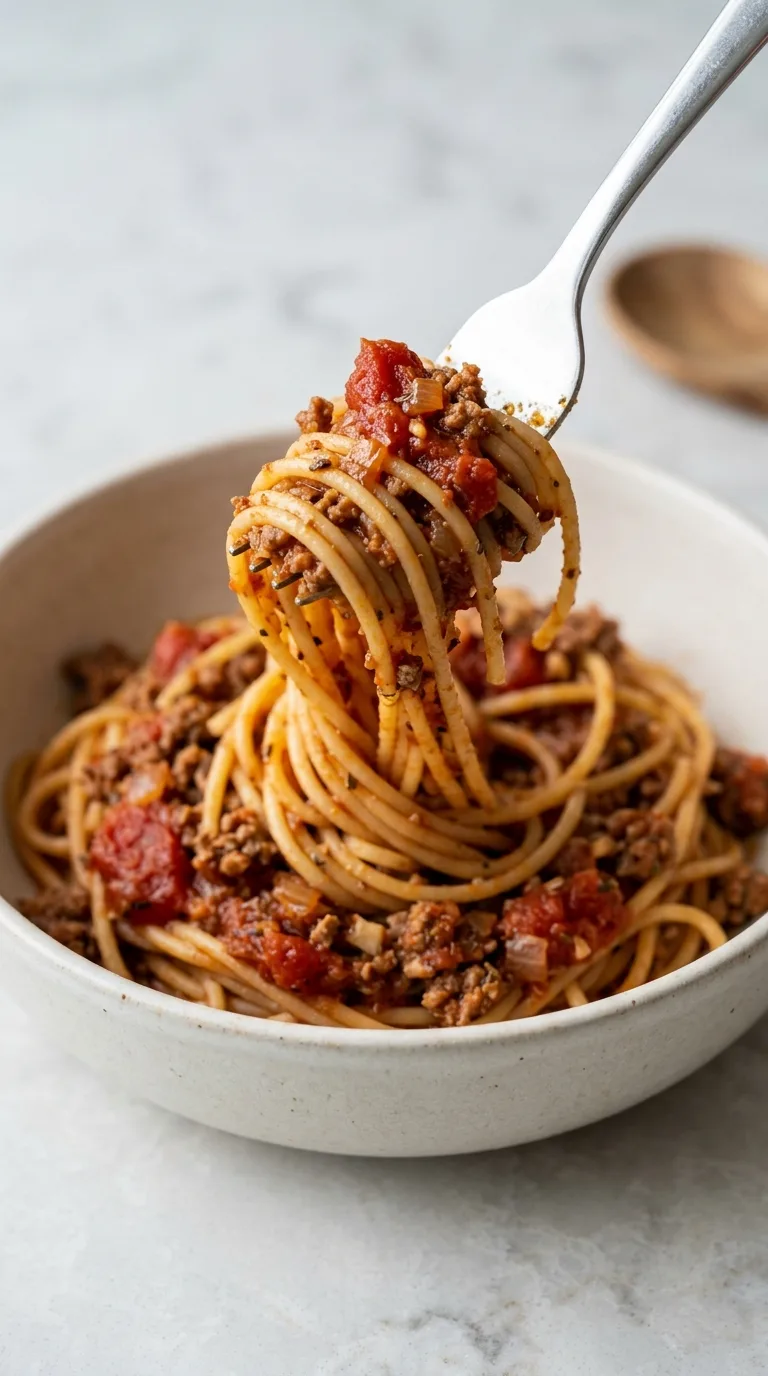
Yes. Brown ground beef or Italian sausage separately, drain excess fat if needed, and simmer the cooked meat in the finished sauce until heated through.
Can I use this sauce for lasagna?
Yes. This sauce works well in lasagna and baked pasta dishes.
Spaghetti Sauce
Ingredients
Method
- Warm the oil: Heat 1 tablespoon of the olive oil in a large heavy-bottomed saucepan over medium heat. Add the diced onion and cook for 5 to 7 minutes, stirring occasionally, until softened and translucent. It should not be deeply browned.
- Cook the garlic: Add the minced garlic and cook for about 30 seconds, stirring constantly, until fragrant. Do not let the garlic turn dark brown, as it can become bitter.
- Toast the tomato paste: Stir in the tomato paste and cook for 1 to 2 minutes. The paste should darken slightly and coat the bottom of the pan.
- Add the tomatoes and seasonings: Stir in the crushed tomatoes, Italian seasoning, dried oregano, granulated sugar, kosher salt, black pepper, optional red pepper flakes, and water. Scrape the bottom of the pan with a wooden spoon to loosen any concentrated tomato paste.
- Bring to a gentle simmer: Increase the heat slightly and bring the sauce to a gentle simmer. Once bubbling, reduce the heat to low. The surface should show occasional small bubbles rather than a vigorous boil.
- Simmer the sauce: Cook uncovered for 35 to 40 minutes, stirring every 5 to 10 minutes. As it reduces, the sauce should become thicker and darker, with the oil lightly visible around the edges.
- Adjust the texture: Taste the sauce and adjust the seasoning only if needed. For a smoother sauce, use an immersion blender directly in the saucepan until it reaches your preferred consistency. Leave it chunky if you prefer a more rustic sauce.
- Finish with olive oil and basil: Stir in the remaining 1 tablespoon olive oil and the optional chopped fresh basil. Simmer for 1 additional minute, then remove from the heat.
- Rest before serving: Let the sauce stand for 5 minutes before tossing it with cooked spaghetti or using it in another recipe. If the sauce becomes thicker than desired, stir in a small amount of warm water until it reaches the consistency you want.