
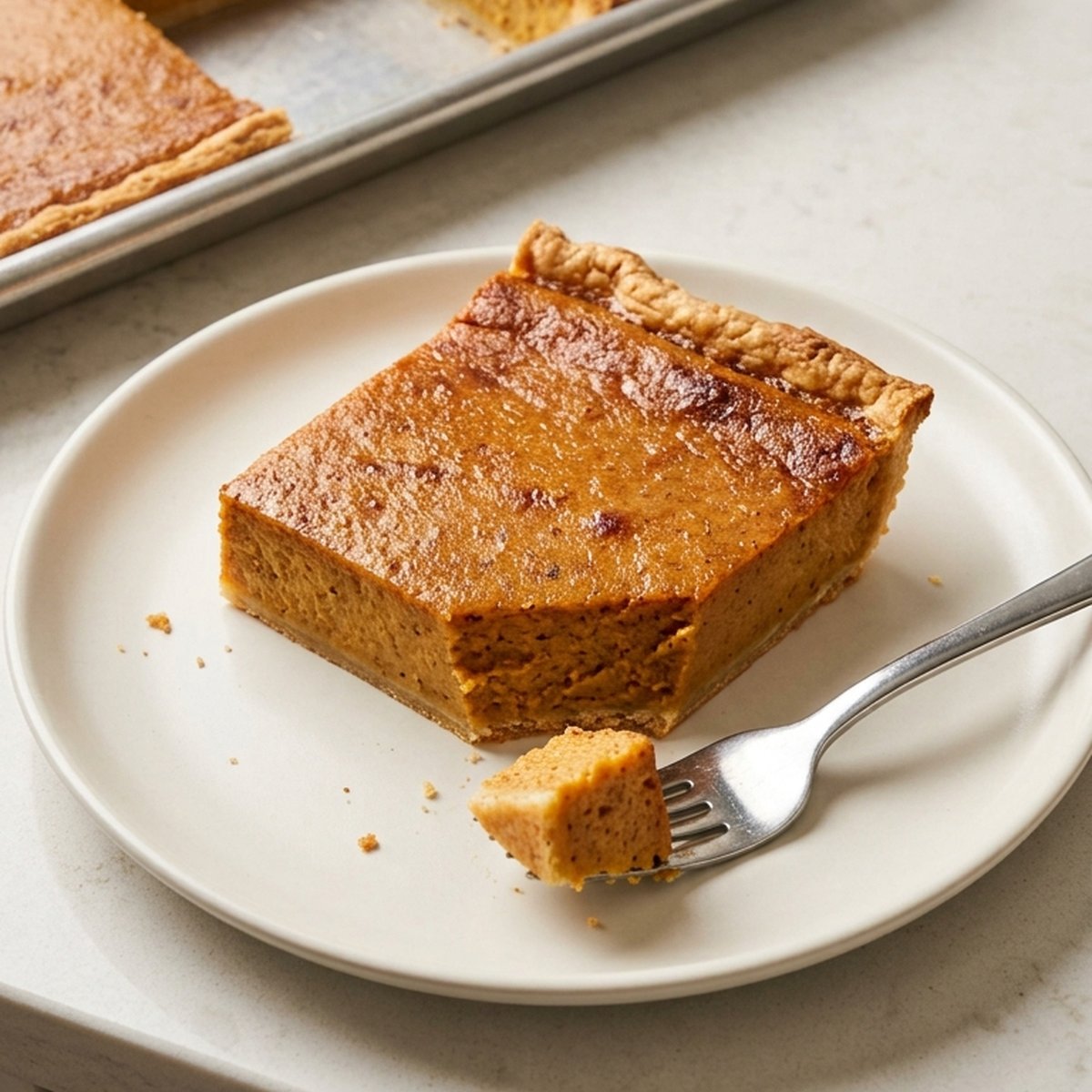
Sheet Pan Pumpkin Pie has all the familiar flavor of classic pumpkin pie in an easy-to-serve slab format. A buttery pastry crust supports a smooth pumpkin custard flavored with cinnamon, ginger, nutmeg, and cloves, giving each square a crisp-edged crust and creamy, warmly spiced center.
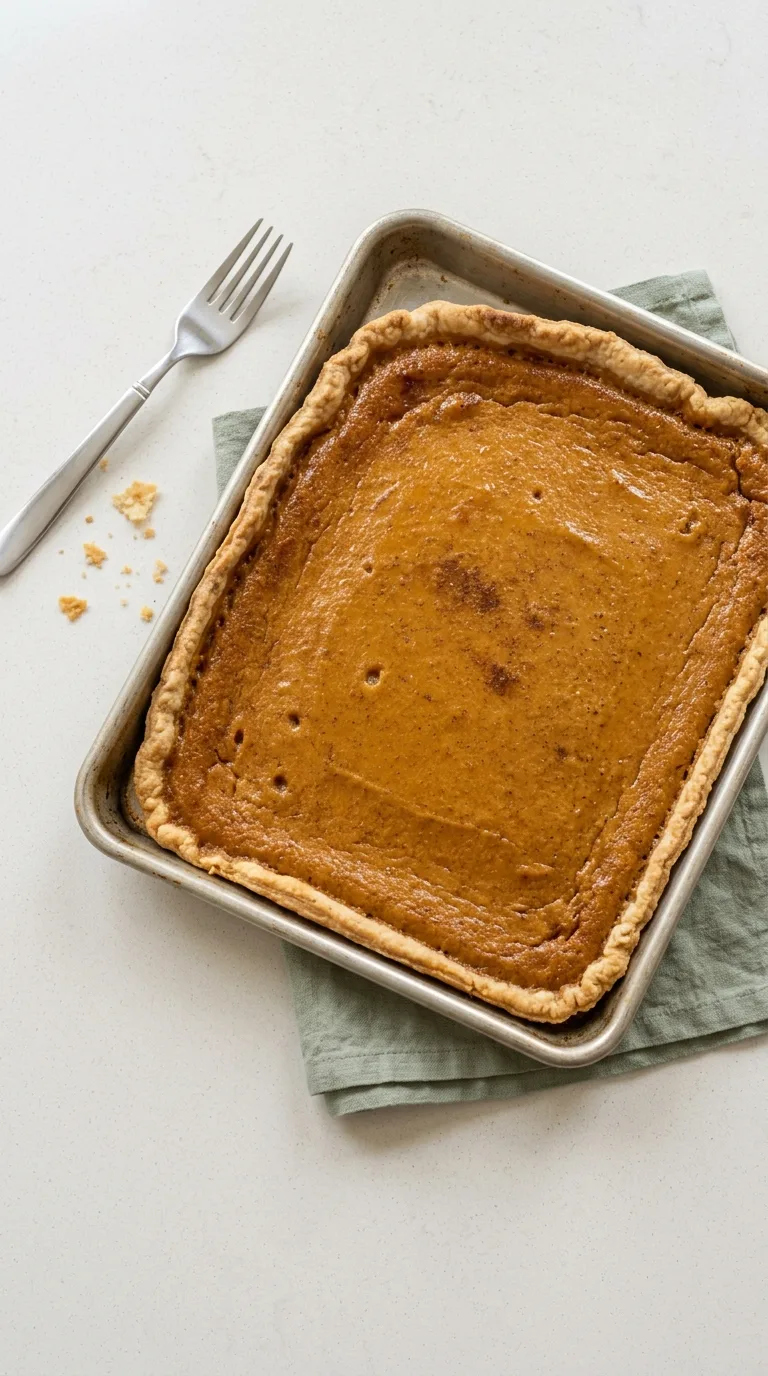
Baked in a 13 × 18-inch rimmed sheet pan, this recipe makes 24 portions and is especially useful for Thanksgiving, fall parties, or larger gatherings. The crust is partially baked before the filling is added, which helps it stay structured beneath the pumpkin custard.
Why This Recipe Works
- A large homemade crust supports the shallow filling. The pastry is sturdy enough to cut into neat squares while remaining flaky and tender.
- Partial baking helps prevent a soggy bottom. Setting the crust before adding the custard creates a barrier against excess moisture.
- Evaporated milk produces a smooth pumpkin filling. It adds richness without making the custard excessively heavy.
- A shallow layer bakes evenly. The sheet-pan format allows the pumpkin custard to set more quickly and consistently than a deep pie.
- Cooling fully improves slicing. The custard continues setting as it cools, making the finished pie easier to portion cleanly.
Equipment Needed
- 13 × 18-inch rimmed half-sheet pan, approximately 1 inch deep
- Food processor or large mixing bowl and pastry cutter
- Rolling pin
- Parchment paper
- Pie weights or dried beans
- Large mixing bowl
- Whisk
- Rubber spatula
- Wire cooling rack
- Sharp knife
Ingredients List
For the Sheet Pan Pie Crust
- 4 cups (500 g) all-purpose flour, spooned and leveled
- 1 tablespoon (12 g) granulated sugar
- 1¼ teaspoons (about 7 g) fine salt
- 1½ cups (340 g) cold unsalted butter, cut into ½-inch cubes
- ⅔ cup (160 mL) ice water, plus up to 2 tablespoons (30 mL) more if needed
For the Pumpkin Filling
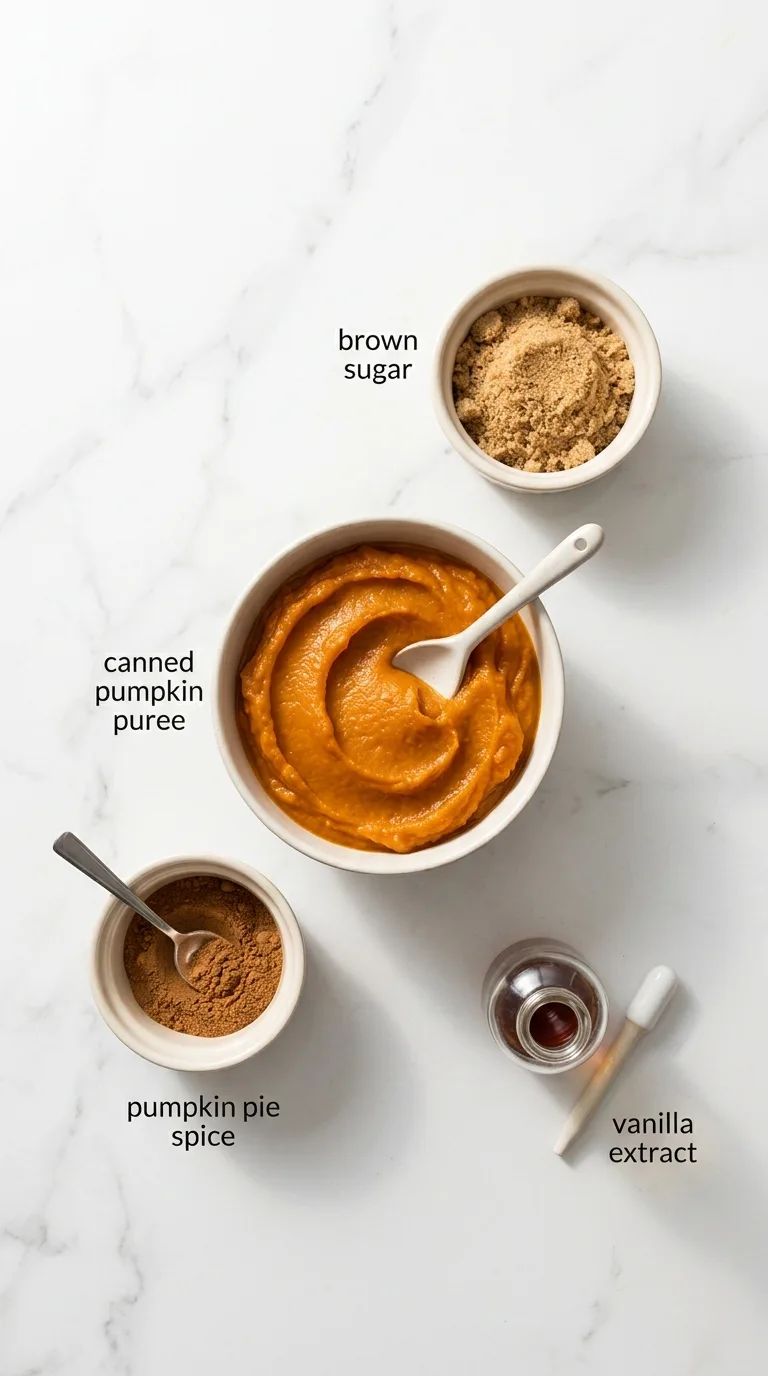
- 2 cans (15 ounces / 425 g each) plain pumpkin puree, 30 ounces (850 g) total
- 1½ cups (300 g) packed light brown sugar
- 4 large eggs (about 200 g without shells), at room temperature
- 2 cans (12 fluid ounces / 354 mL each) evaporated milk, 24 fluid ounces (708 mL) total
- 2 teaspoons (about 5 g) ground cinnamon
- 1 teaspoon (about 2 g) ground ginger
- ½ teaspoon (about 1 g) ground nutmeg
- ¼ teaspoon (about 0.5 g) ground cloves
- 1 teaspoon (about 6 g) fine salt
- 2 teaspoons (10 mL) pure vanilla extract
Optional Garnish
- 2 cups (480 mL, about 120 g) lightly sweetened whipped cream, optional, for serving
- ½ teaspoon (about 1 g) ground cinnamon, optional, for dusting
Ingredient Notes and Substitutions
- Pumpkin Puree: Use plain canned pumpkin puree rather than pumpkin pie filling, which already contains sweeteners and spices. Homemade pumpkin puree can work if it is thick and well drained. Watery puree can make the custard take longer to set.
- Evaporated Milk: Evaporated milk creates a smooth, creamy pumpkin filling while keeping the custard stable during baking. An equal volume of half-and-half can be substituted, although the filling will taste richer and may take slightly longer to set.
- Butter: Cold butter creates flaky layers in the crust as it melts in the oven. Keep it chilled during mixing and rolling. Vegetable shortening can replace up to half of the butter for a slightly more tender, less buttery crust.
- Brown Sugar: Light brown sugar adds sweetness and mild molasses flavor. Dark brown sugar can be substituted in equal amounts for a deeper caramel flavor and darker filling.
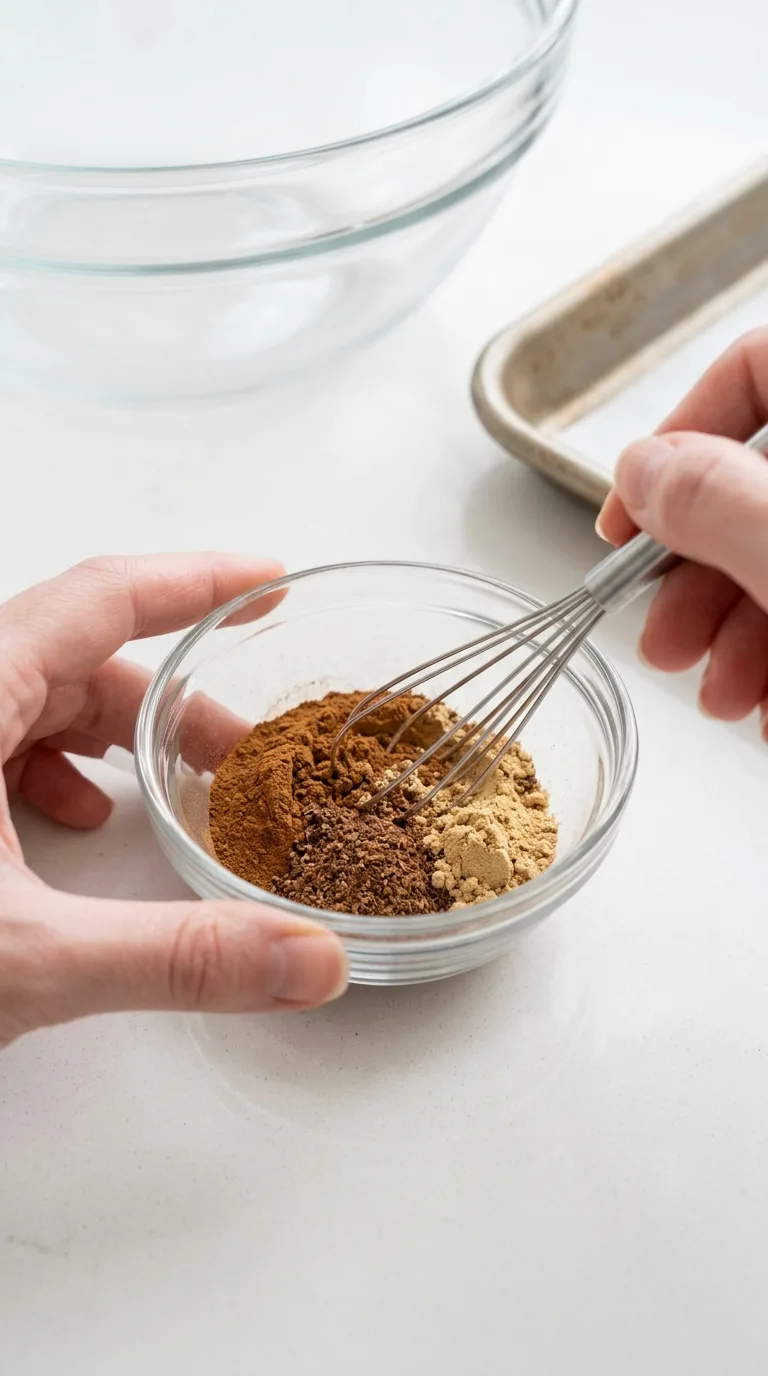
- Warm Spices: Cinnamon, ginger, nutmeg, and cloves provide a balanced pumpkin pie flavor. About 3¾ teaspoons of pumpkin pie spice can replace the individual spices, although the exact flavor will depend on the blend.
Step-by-Step Instructions
1. Make the Pie Dough
In a food processor, pulse the flour, granulated sugar, and fine salt until combined.
Add the cold butter and pulse in short bursts until the mixture contains pea-sized pieces of butter with some smaller crumbs.
Drizzle in the ⅔ cup (160 mL) ice water while pulsing just until the dough begins forming moist clumps.
If it remains very dry when pressed between your fingers, add additional ice water 1 tablespoon at a time.
Do not process until completely smooth; visible butter pieces help create a flaky crust.
2. Chill the Dough
Turn the dough onto a lightly floured surface and press it together gently.
Shape it into a large rectangle about 1 inch thick and wrap tightly.
Refrigerate for 30 minutes.
The dough should feel firm but still flexible enough to roll.
3. Roll and Fit the Crust
Lightly flour the work surface and roll the chilled dough into a rectangle approximately 16 × 21 inches.
Carefully transfer it to a 13 × 18-inch rimmed sheet pan.
Press the dough gently across the bottom and into the corners, allowing it to come up the sides of the pan.
Trim any extreme excess and patch thin areas with the scraps.
4. Chill the Shaped Crust
Refrigerate the sheet pan with the shaped crust for 20 minutes.
Meanwhile, preheat the oven to 400°F (205°C).
Chilling the shaped dough helps reduce shrinking during the partial bake.
5. Partially Bake the Crust
Line the chilled crust with parchment paper and cover the bottom evenly with pie weights or dried beans.
Bake at 400°F (205°C) for 15 minutes.
Carefully remove the parchment and weights, then return the crust to the oven for another 5 minutes.
The surface should look dry and lightly set but not deeply browned.
Remove the pan from the oven and reduce the temperature to 350°F (175°C).
6. Prepare the Pumpkin Filling
While the crust partially bakes, whisk the pumpkin puree and brown sugar together in a large bowl until smooth.
Add the eggs one at a time, whisking until fully incorporated.
Pour in the evaporated milk, then add the cinnamon, ginger, nutmeg, cloves, fine salt, and vanilla extract.
Whisk until the mixture is completely smooth and evenly colored.
7. Fill the Crust
Place the partially baked sheet-pan crust on a stable, heatproof surface.
Pour the pumpkin mixture slowly into the crust.
Use a rubber spatula to distribute the filling evenly into the corners.
Do not overfill beyond the top edge of the crust. If your sheet pan is unusually shallow and a small amount of filling remains, bake the excess separately in a ramekin rather than risking overflow.
8. Bake the Sheet Pan Pumpkin Pie
Carefully transfer the pan to the center oven rack.
Bake at 350°F (175°C) for 30–35 minutes.
The outer filling should look set, while the center should still have a slight, controlled wobble when the pan is gently moved.
The custard should not look liquid or ripple dramatically.
9. Check for Doneness
Insert an instant-read thermometer into the filling near the center without touching the crust.
The custard should reach at least 160°F (71°C) for food safety.
Avoid baking until the entire surface becomes rigid. The filling continues to set as it cools.
10. Cool Completely
Transfer the sheet pan to a wire cooling rack.
Let the pie cool at room temperature for about 2 hours.
The filling should become firm enough to cut without flowing.
11. Chill for Cleaner Slices
Once the pie is no longer warm, refrigerate it for 30 minutes.
This additional chilling time firms the custard and crust slightly, making it easier to cut into neat squares.
12. Slice and Serve
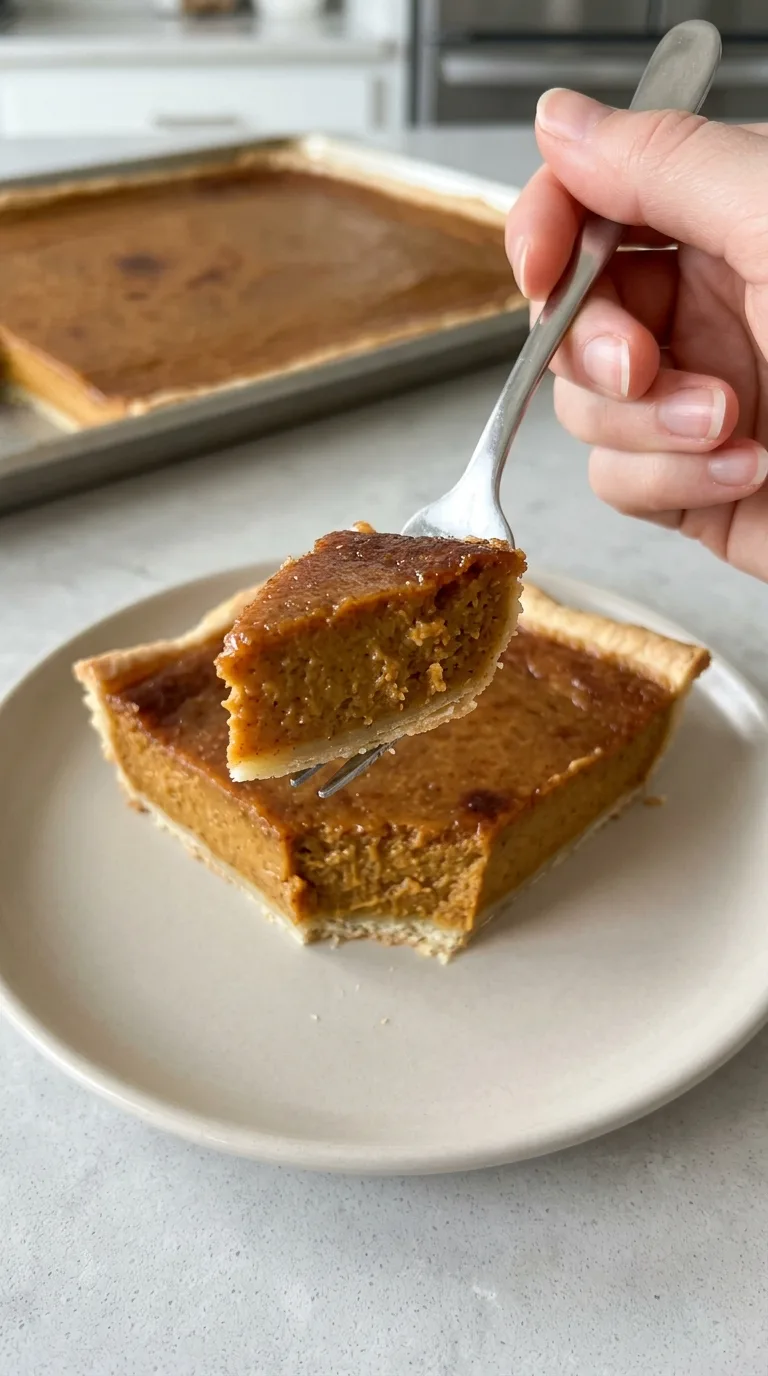
Use a sharp knife to cut the sheet pan pie into 24 squares or rectangles.
Wipe the knife between cuts for the cleanest edges.
Serve chilled, at room temperature, or slightly cool with optional whipped cream and a light dusting of cinnamon.
Storage, Freezing, and Make-Ahead Instructions
- Refrigeration: Because Sheet Pan Pumpkin Pie contains an egg-based custard, refrigerate it after cooling. Cover the sheet pan tightly or transfer individual pieces to airtight containers. Refrigerate for up to 4 days. Add whipped cream only when serving so the topping stays fresh.
- Freezing: Pumpkin pie can be frozen after it has cooled completely. Cut the pie into individual portions, place them on a parchment-lined tray, and freeze until firm. Wrap each piece tightly and transfer to a freezer-safe container. Freeze for up to 1 month for the best texture. The crust may become slightly softer after thawing.
- Thawing: Thaw frozen portions overnight in the refrigerator. Keep them wrapped during thawing to reduce condensation on the custard surface. Serve chilled or allow the portions to sit at room temperature for 15–20 minutes.
- Make-Ahead Preparation: Bake the Sheet Pan Pumpkin Pie up to 2 days before serving. Cool completely, cover tightly, and refrigerate. For the freshest presentation, slice the pie and add whipped cream shortly before serving. The pastry dough can also be prepared up to 2 days in advance and kept tightly wrapped in the refrigerator.
FAQ
Can I make Sheet Pan Pumpkin Pie ahead of time?
Yes. Bake it up to 2 days before serving, cool completely, and refrigerate tightly covered. Slice and add whipped cream shortly before serving for the neatest appearance.
Can I use store-bought pie crust?
You can, but a standard refrigerated pie crust is too small for a 13 × 18-inch sheet pan. You would need enough pastry to cover the entire bottom and sides, and the seams between multiple pieces should be pressed together carefully to prevent leaks.
Why is my pumpkin pie filling cracked?
Cracks usually indicate that the custard was baked too long or at excessive heat. Remove the pie when the edges are set and the center still has a slight wobble.
How do I know when Sheet Pan Pumpkin Pie is done?
The center should no longer look liquid and should move only slightly when the pan is gently shaken. For a precise check, the custard should reach at least 160°F (71°C).
Can I make the crust ahead of time?
Yes. Prepare the dough up to 2 days ahead and keep it tightly wrapped in the refrigerator. Let it sit at room temperature for a few minutes if it becomes too firm to roll comfortably.
Sheet Pan Pumpkin Pie
Ingredients
Method
- In a food processor, pulse the flour, granulated sugar, and fine salt until combined. Add the cold butter and pulse in short bursts until the mixture contains pea-sized pieces of butter with some smaller crumbs. Drizzle in the ⅔ cup (160 mL) ice water while pulsing just until the dough begins forming moist clumps. If it remains very dry when pressed between your fingers, add additional ice water 1 tablespoon at a time. Do not process until completely smooth; visible butter pieces help create a flaky crust.
- Turn the dough onto a lightly floured surface and press it together gently. Shape it into a large rectangle about 1 inch thick and wrap tightly. Refrigerate for 30 minutes. The dough should feel firm but still flexible enough to roll.
- Lightly flour the work surface and roll the chilled dough into a rectangle approximately 16 × 21 inches. Carefully transfer it to a 13 × 18-inch rimmed sheet pan. Press the dough gently across the bottom and into the corners, allowing it to come up the sides of the pan. Trim any extreme excess and patch thin areas with the scraps.
- Refrigerate the sheet pan with the shaped crust for 20 minutes. Meanwhile, preheat the oven to 400°F (205°C). Chilling the shaped dough helps reduce shrinking during the partial bake.
- Line the chilled crust with parchment paper and cover the bottom evenly with pie weights or dried beans. Bake at 400°F (205°C) for 15 minutes. Carefully remove the parchment and weights, then return the crust to the oven for another 5 minutes. The surface should look dry and lightly set but not deeply browned. Remove the pan from the oven and reduce the temperature to 350°F (175°C).
- While the crust partially bakes, whisk the pumpkin puree and brown sugar together in a large bowl until smooth. Add the eggs one at a time, whisking until fully incorporated. Pour in the evaporated milk, then add the cinnamon, ginger, nutmeg, cloves, fine salt, and vanilla extract. Whisk until the mixture is completely smooth and evenly colored.
- Place the partially baked sheet-pan crust on a stable, heatproof surface. Pour the pumpkin mixture slowly into the crust. Use a rubber spatula to distribute the filling evenly into the corners. Do not overfill beyond the top edge of the crust. If your sheet pan is unusually shallow and a small amount of filling remains, bake the excess separately in a ramekin rather than risking overflow.
- Carefully transfer the pan to the center oven rack. Bake at 350°F (175°C) for 30–35 minutes. The outer filling should look set, while the center should still have a slight, controlled wobble when the pan is gently moved. The custard should not look liquid or ripple dramatically.
- Insert an instant-read thermometer into the filling near the center without touching the crust. The custard should reach at least 160°F (71°C) for food safety. Avoid baking until the entire surface becomes rigid. The filling continues to set as it cools.
- Transfer the sheet pan to a wire cooling rack. Let the pie cool at room temperature for about 2 hours. The filling should become firm enough to cut without flowing.
- Once the pie is no longer warm, refrigerate it for 30 minutes. This additional chilling time firms the custard and crust slightly, making it easier to cut into neat squares.
- Use a sharp knife to cut the sheet pan pie into 24 squares or rectangles. Wipe the knife between cuts for the cleanest edges. Serve chilled, at room temperature, or slightly cool with optional whipped cream and a light dusting of cinnamon.