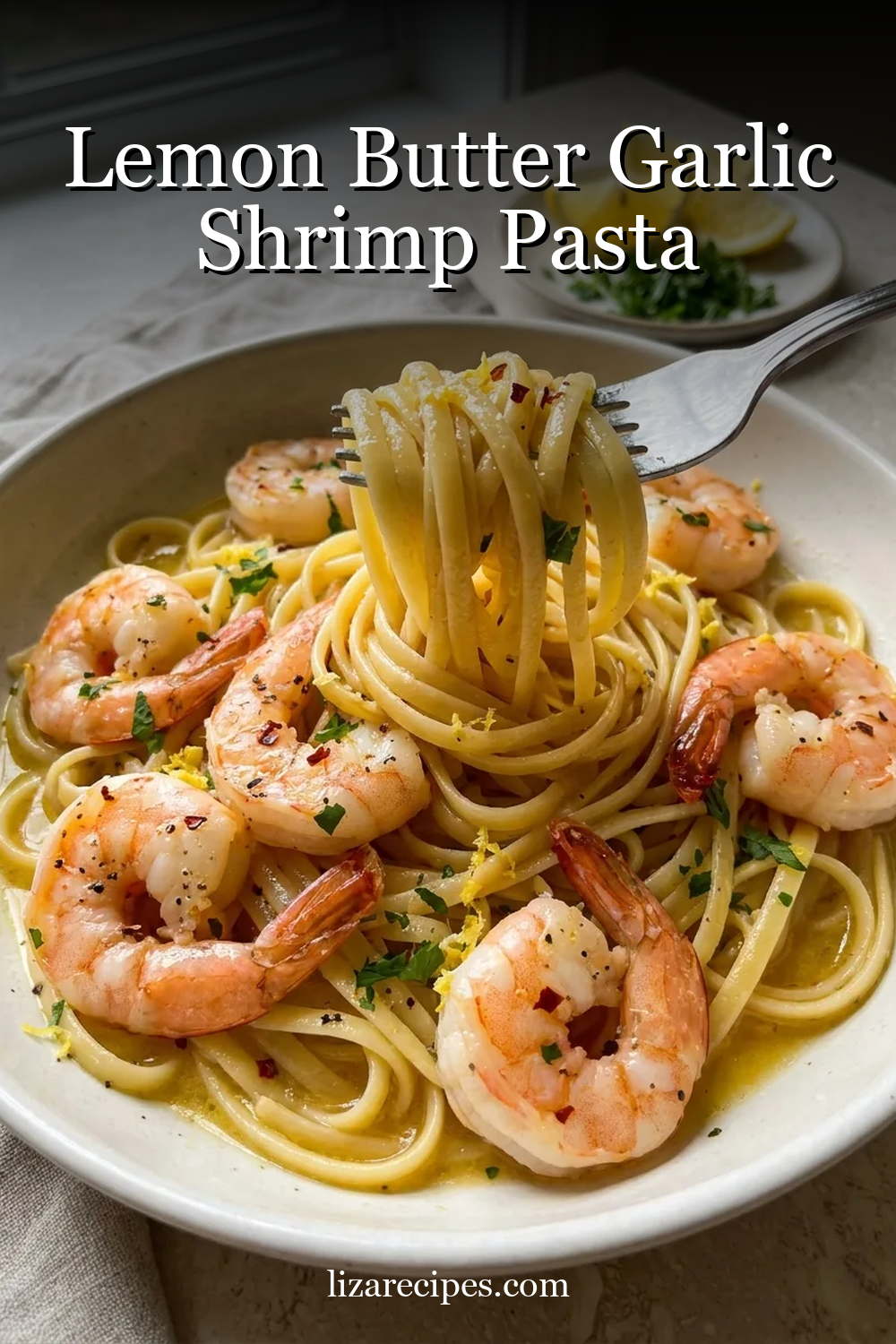
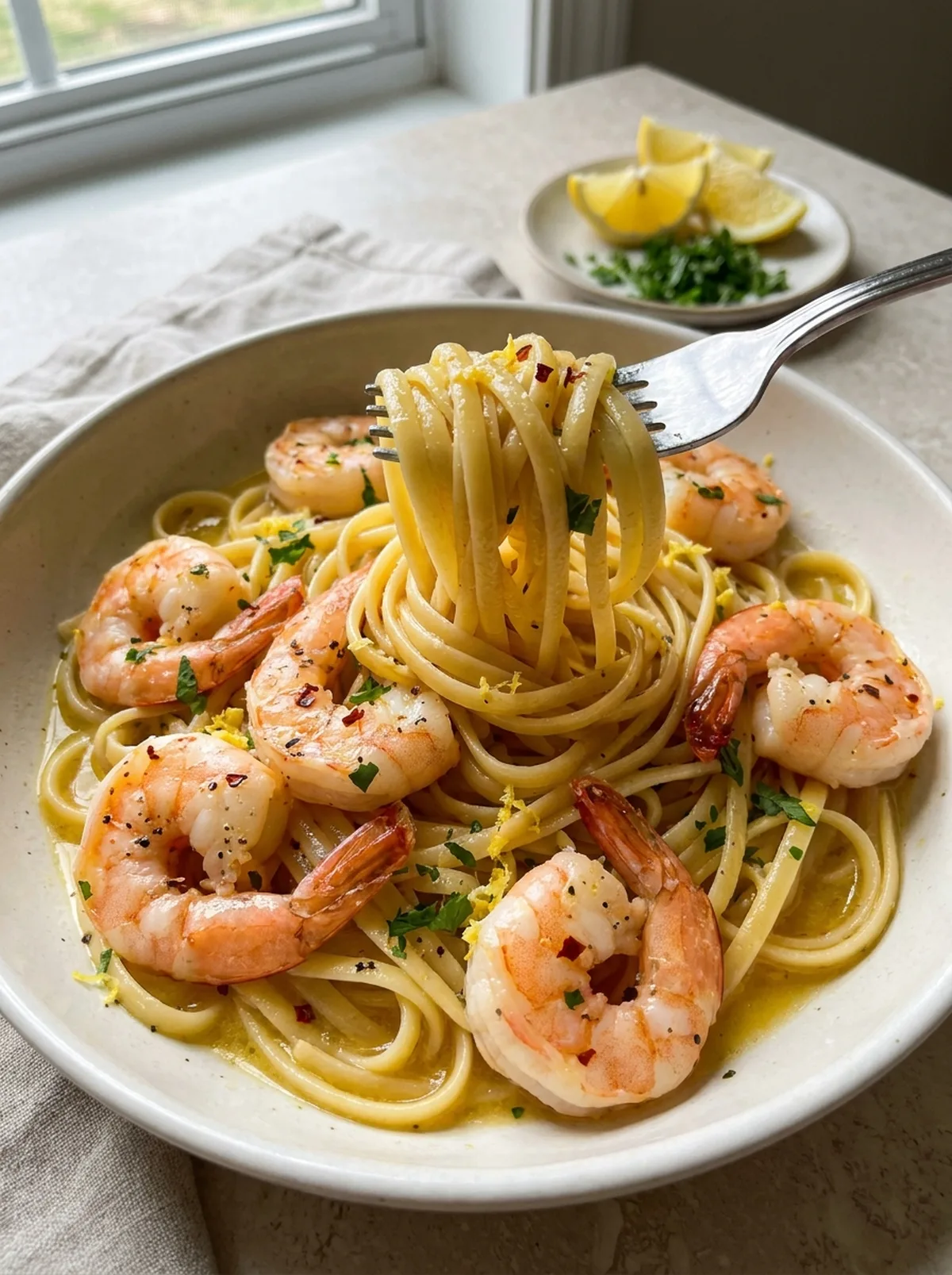
Lemon Butter Garlic Shrimp Pasta combines juicy shrimp and tender linguine with a bright, glossy sauce made from fresh lemon, garlic, butter, and olive oil. The sauce is light rather than creamy, allowing the sweet shrimp, citrus, and savory garlic flavors to remain distinct.
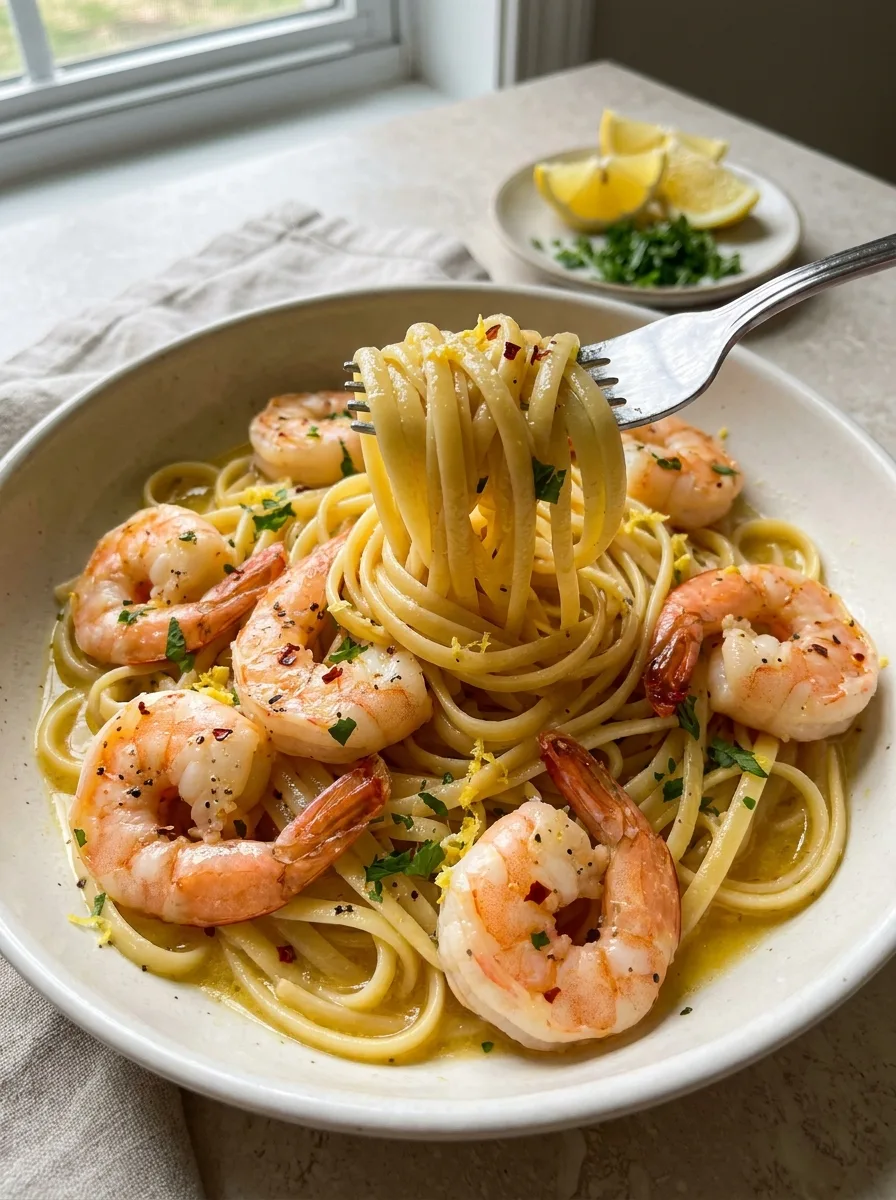
The shrimp and sauce cook in the same skillet while the pasta boils separately. Reserved pasta water helps the butter and lemon juice coat the noodles evenly without making the dish greasy or dry.
Recipe at a Glance
- Prep Time: 15 minutes
- Cook Time: 20 minutes
- Additional Time: 5 minutes
- Total Time: 40 minutes
- Yield: 6 servings
- Difficulty: Easy
Why You'll Love This Recipe
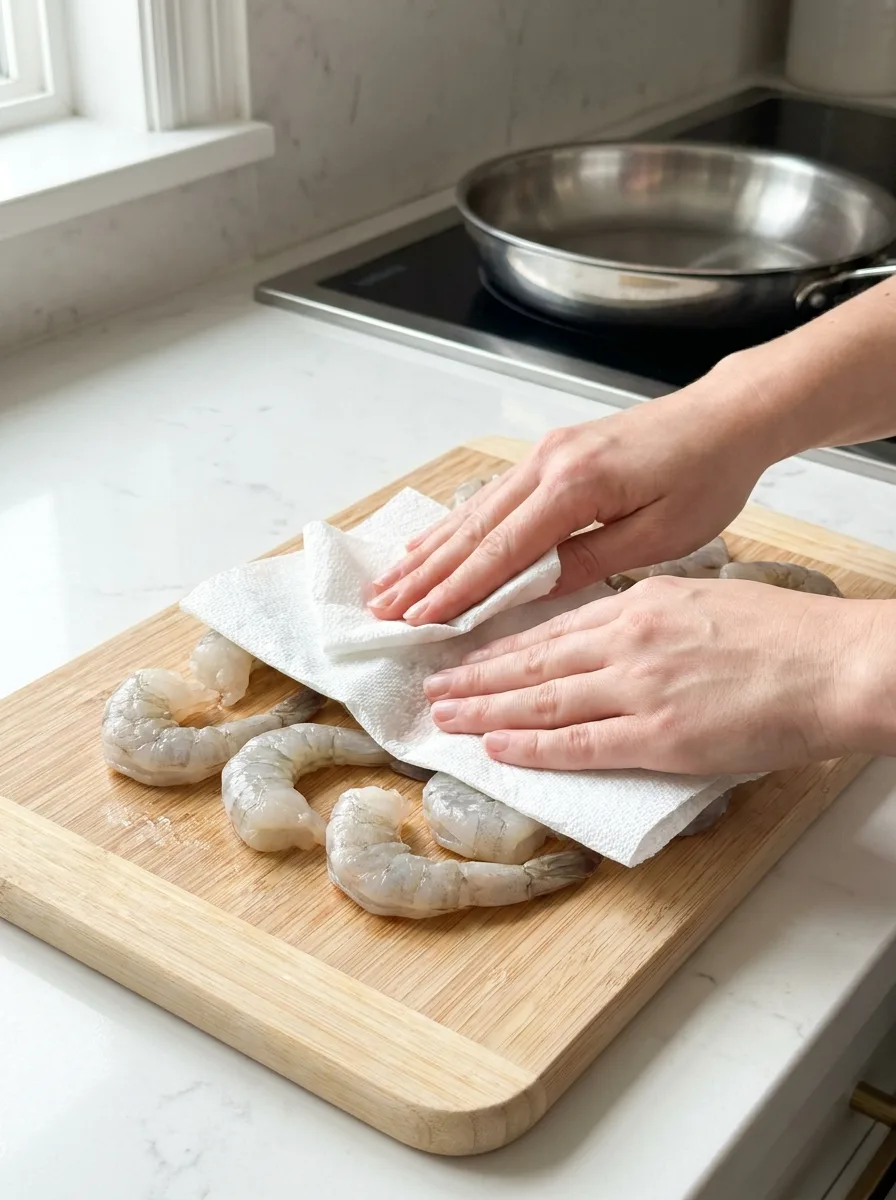
- Drying the shrimp before cooking encourages light browning instead of steaming.
- Cooking the shrimp briefly in batches helps the centers stay juicy while the exteriors turn opaque and lightly golden.
- Pasta water contains starch that binds the butter, olive oil, and lemon juice into a cohesive sauce.
- Adding most of the lemon juice after removing the skillet from direct heat preserves its fresh acidity.
- Tossing the pasta in the skillet allows the noodles to absorb the garlic butter sauce rather than leaving it pooled at the bottom.
Equipment Needed
- 5- to 6-quart pot
- Colander
- 12-inch skillet
- Tongs
- Fine grater or microplane
- Citrus juicer, optional
- Instant-read thermometer
- Chef’s knife and cutting board
Ingredients You'll Need
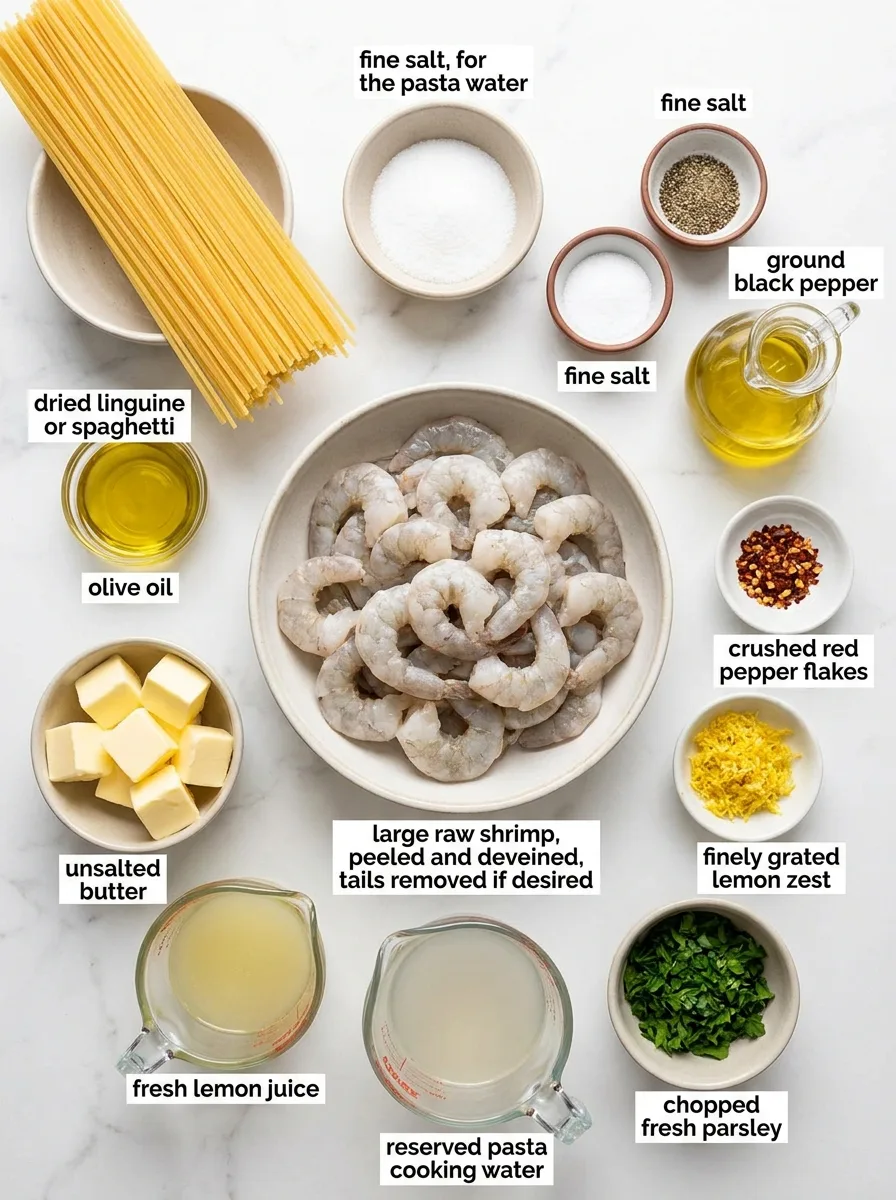
For the Pasta and Shrimp
- ■ 12 ounces (340 g) dried linguine or spaghetti
- ■ 1 tablespoon fine salt, for the pasta water
- ■ 1 1/4 pounds (565 g) large raw shrimp, peeled and deveined, tails removed if desired
- ■ 1/2 teaspoon fine salt
- ■ 1/4 teaspoon ground black pepper
- ■ 2 tablespoons (30 ml) olive oil, divided
- ■ 6 tablespoons (85 g) unsalted butter, divided
- ■ 6 garlic cloves, finely minced
- ■ 1/4 teaspoon crushed red pepper flakes, optional
- ■ 1 teaspoon finely grated lemon zest
- ■ 1/4 cup (60 ml) fresh lemon juice, divided
- ■ 3/4 cup (180 ml) reserved pasta cooking water, divided
- ■ 1/4 cup (15 g) chopped fresh parsley
Optional Garnishes
- ■ 1 medium lemon, cut into wedges, optional, for serving
- ■ Additional crushed red pepper flakes, optional, for serving
How to Make Lemon Butter Garlic Shrimp Pasta
Prepare the Shrimp
Pat the shrimp thoroughly dry with paper towels. Season them evenly with 1/2 teaspoon salt and the black pepper. Keep them refrigerated while the pasta water comes to a boil.
Boil the Pasta Water
Bring a 5- to 6-quart pot of water to a rolling boil. Add 1 tablespoon salt, followed by the linguine. Cook according to the package directions until just al dente, generally 9 to 11 minutes.
Reserve the Pasta Water
Before draining the linguine, scoop out 3/4 cup (180 ml) of the starchy cooking water. Drain the pasta without rinsing it. This starchy water is essential for creating a cohesive sauce.
Heat the Skillet
While the pasta cooks, heat 1 tablespoon (15 ml) olive oil and 1 tablespoon (14 g) butter in a 12-inch skillet over medium-high heat. The butter should foam without becoming dark brown, indicating it’s ready for the shrimp.
Cook the First Shrimp Batch
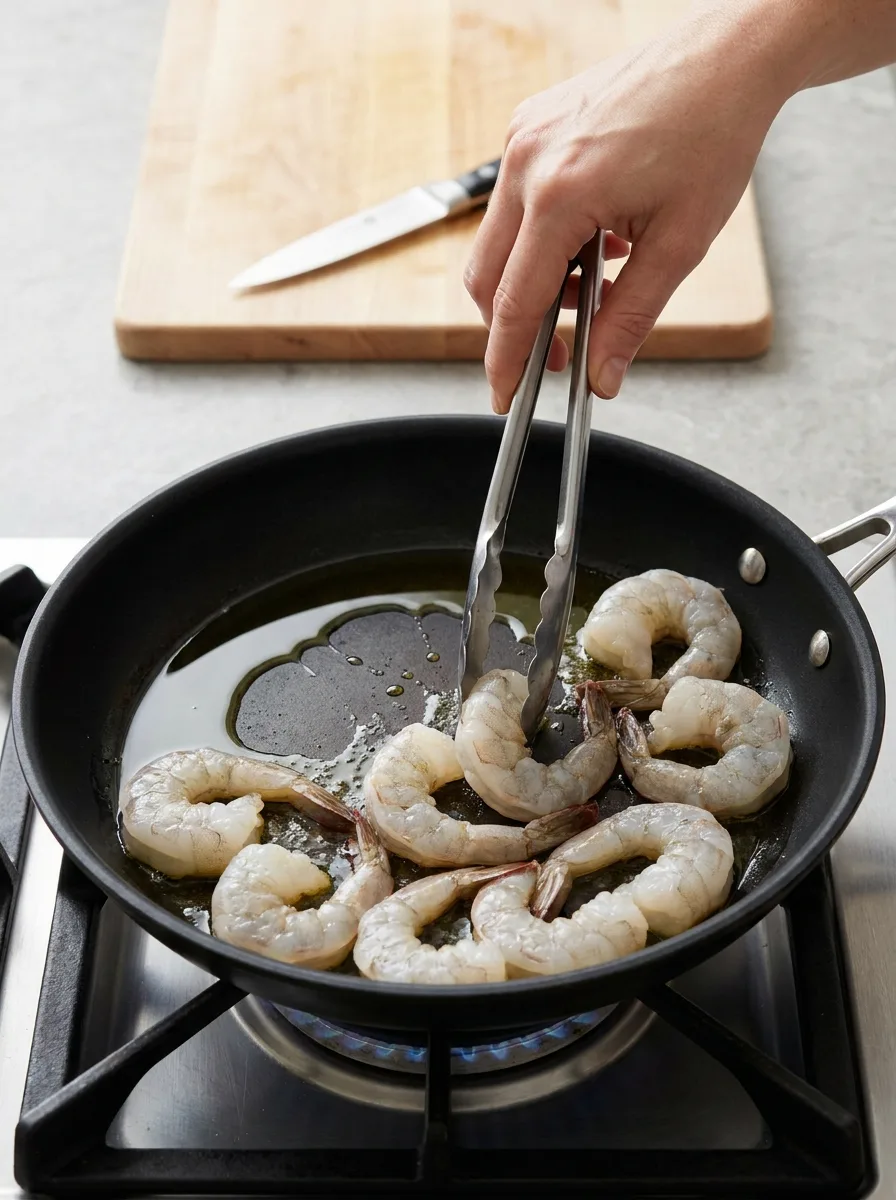
Add half of the shrimp in a single layer. Cook for 1 to 2 minutes, until the undersides are lightly golden and the edges begin turning opaque. This ensures a nice sear and flavor development.
Turn and Finish the Shrimp
Turn the shrimp and cook for another 1 to 2 minutes. Transfer them to a clean plate when they are opaque and reach 145°F (63°C). Repeat with the remaining tablespoon of olive oil and remaining shrimp.
Rest the Shrimp
Let the cooked shrimp stand while preparing the sauce. They will be returned to the skillet only briefly, which helps prevent a rubbery texture from overcooking.
Cook the Garlic
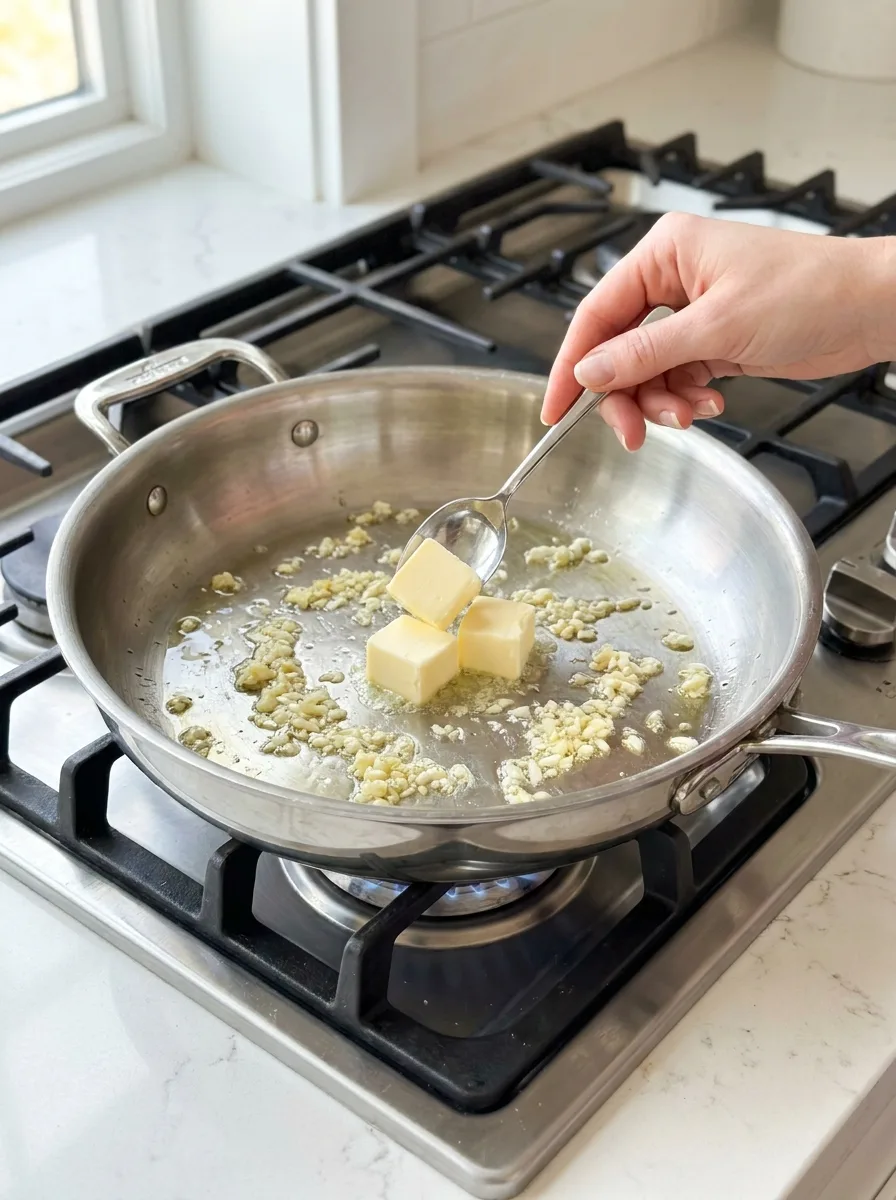
Reduce the skillet heat to medium-low. Add 3 tablespoons (42 g) of the butter. Once melted, stir in the garlic and optional red pepper flakes. Cook for 30 to 45 seconds, until fragrant but not browned, to avoid bitterness.
Begin the Lemon Sauce
Add the lemon zest, 2 tablespoons (30 ml) of the lemon juice, and 1/2 cup (120 ml) of the reserved pasta water. Scrape the bottom of the skillet to loosen the browned shrimp bits, which add flavor to the sauce.
Emulsify the Sauce
Bring the liquid to a gentle simmer and cook for 1 to 2 minutes. Add the remaining 2 tablespoons (28 g) butter one piece at a time, stirring until each piece melts. The sauce should look glossy and lightly thickened rather than oily.
Toss in the Pasta
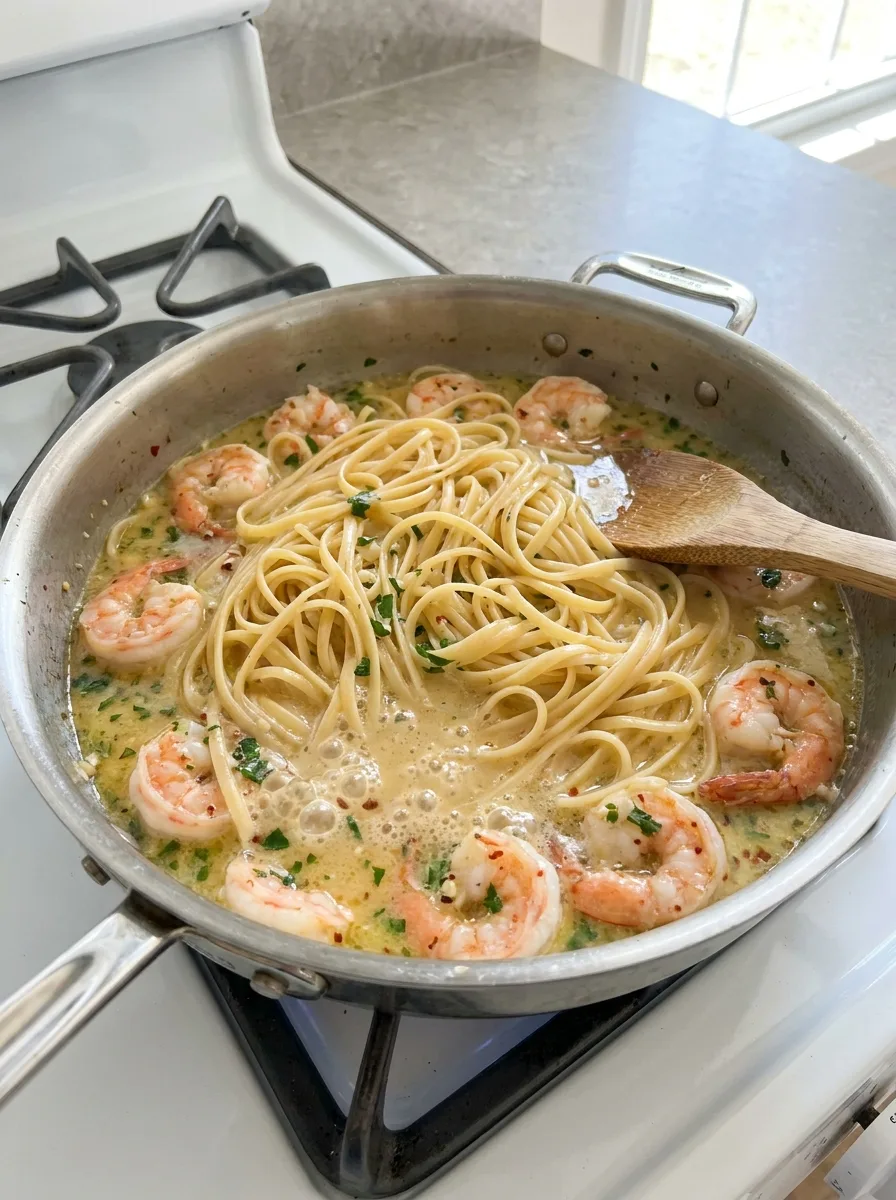
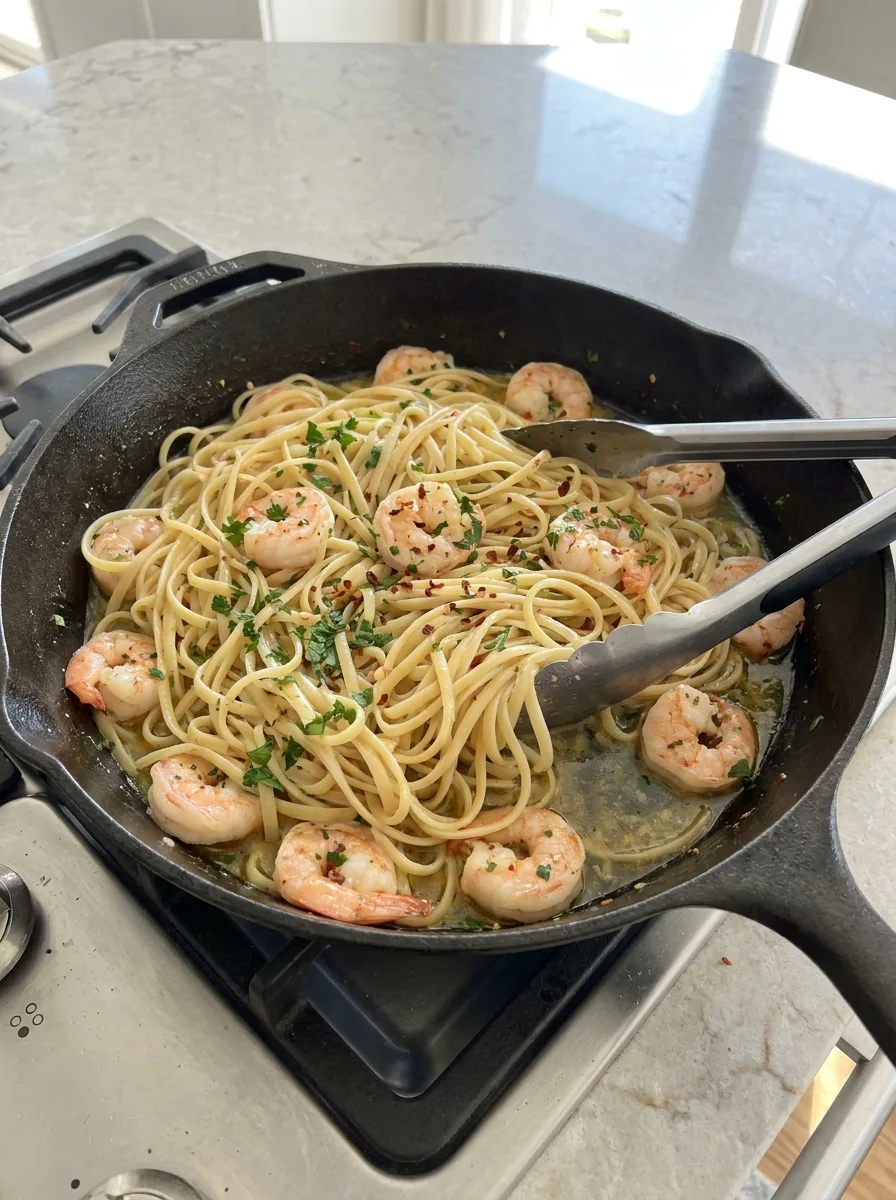
Add the drained linguine to the skillet. Toss continuously with tongs over low heat for 1 to 2 minutes, until the noodles are evenly coated. Add more reserved pasta water a few tablespoons at a time if the pasta looks dry or sticky.
Return the Shrimp
Add the cooked shrimp and any juices from the plate. Toss gently over low heat for about 1 minute, just until the shrimp are warmed through without cooking them further.
Finish with Lemon and Parsley
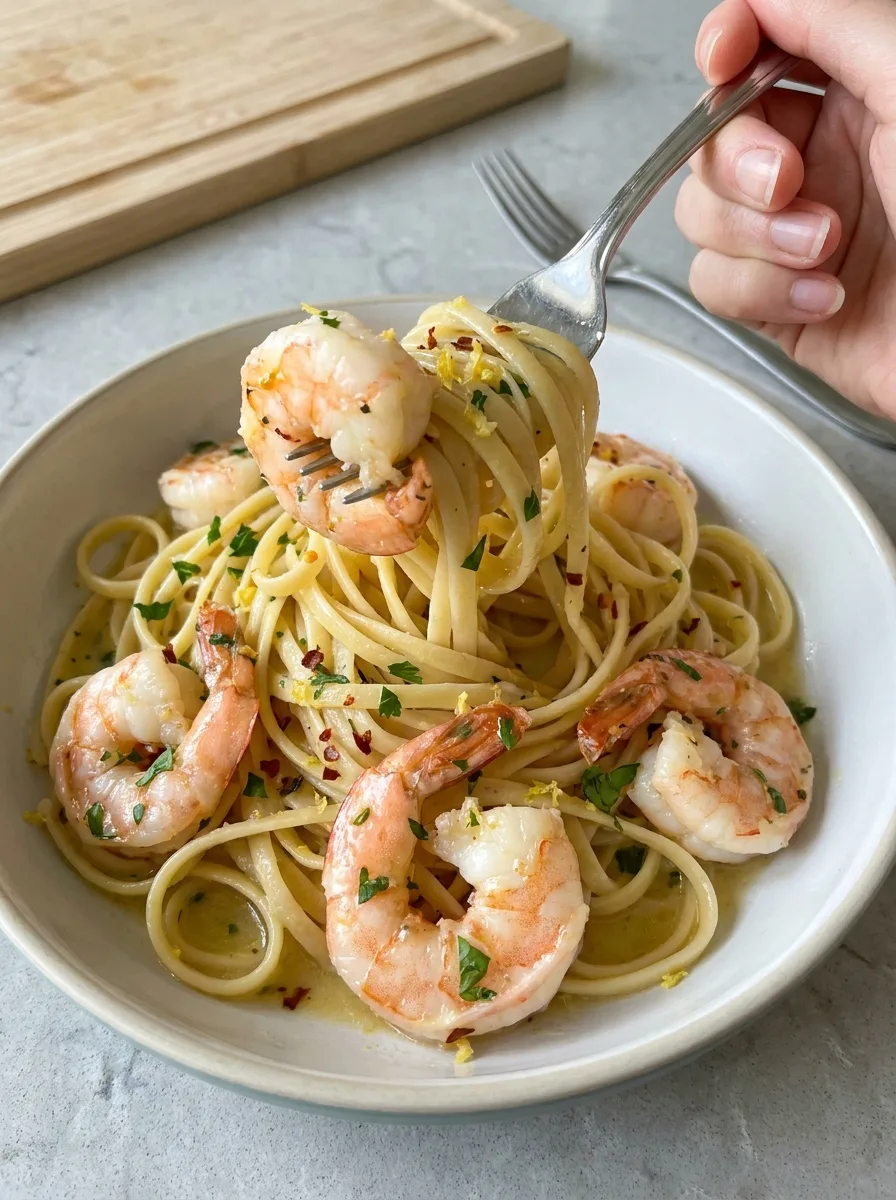
Remove the skillet from the heat. Add the remaining 2 tablespoons (30 ml) lemon juice and the chopped parsley. Toss well. The sauce should cling lightly to the pasta with no large pool of butter beneath it.
Rest and Serve
Let the pasta stand for 2 to 3 minutes, then toss again. Divide among six plates and serve with lemon wedges and additional red pepper flakes as desired.
Tips for Success
- Pat the shrimp completely dry before seasoning so they develop color quickly.
- Cook the shrimp in two batches. Crowding the skillet traps steam and makes them more likely to overcook.
- Mince the garlic finely and keep the heat moderate so it softens without becoming bitter.
- Reserve the pasta water before draining. Plain water will loosen the sauce but will not help it cling as effectively.
- Remove the skillet from the heat before adding the final lemon juice to preserve its bright flavor.
- Serve the pasta promptly because a butter-based sauce thickens and absorbs into the noodles as it stands.
Storage, Freezing, and Make-Ahead Instructions
Cool leftovers promptly and place them in an airtight container within 2 hours of cooking. Refrigerate for up to 3 days.
Reheat the pasta gently in a covered skillet over low heat with 1 to 2 tablespoons (15 to 30 ml) of water or chicken broth. Stir frequently and heat until the shrimp and pasta reach 165°F (74°C). Avoid high heat, which can make the shrimp firm and cause the butter sauce to separate.
Individual portions can also be microwaved in short intervals. Cover loosely, add a teaspoon of water, and stir between intervals for more even heating.
Freezing is not recommended because cooked shrimp can become rubbery and the pasta may soften after thawing.
For make-ahead preparation, peel and devein the shrimp up to 1 day in advance and keep them refrigerated in an airtight container. The garlic, parsley, lemon zest, and lemon juice can also be prepared several hours ahead and refrigerated separately. Cook the pasta and sauce shortly before serving.
FAQ
Can I use frozen shrimp?
Yes. Thaw the shrimp overnight in the refrigerator or under cold running water, then drain and pat them very dry. Excess moisture can prevent browning and dilute the sauce.
Why did my shrimp become rubbery?
The shrimp were probably cooked too long or reheated over high heat. Remove them from the skillet as soon as they turn opaque and reach 145°F (63°C), then return them only briefly at the end.
Can I make Lemon Butter Garlic Shrimp Pasta without butter?
Yes. Replace the butter with additional olive oil, adding it gradually while tossing the pasta. The sauce will taste lighter and fruitier and will not have the same creamy richness.
How can I make the sauce less acidic?
Reduce the lemon juice to 3 tablespoons (45 ml), using 1 tablespoon in the skillet and 2 tablespoons after cooking. Do not add sugar, as it can make the sauce taste out of balance.
Can I add vegetables?
Yes. Add up to 2 cups of quick-cooking vegetables such as asparagus pieces, spinach, or halved cherry tomatoes. Sauté asparagus or tomatoes before cooking the garlic; add spinach when the pasta is tossed with the sauce.
Lemon Butter Garlic Shrimp Pasta
Ingredients
Method
- Pat the shrimp thoroughly dry with paper towels: Season them evenly with 1/2 teaspoon salt and the black pepper. Keep them refrigerated while the pasta water comes to a boil.
- Bring a 5- to 6-quart pot of water to a rolling boil. Add 1 tablespoon salt, followed by the linguine. Cook according to the package directions until just al dente, generally 9 to 11 minutes.
- Before draining the linguine, scoop out 3/4 cup (180 ml) of the starchy cooking water. Drain the pasta without rinsing it.
- While the pasta cooks, heat 1 tablespoon (15 ml) olive oil and 1 tablespoon (14 g) butter in a 12-inch skillet over medium-high heat. The butter should foam without becoming dark brown.
- Add half of the shrimp in a single layer. Cook for 1 to 2 minutes, until the undersides are lightly golden and the edges begin turning opaque.
- Turn the shrimp and cook for another 1 to 2 minutes. Transfer them to a clean plate when they are opaque and reach 145°F (63°C). Repeat with the remaining tablespoon of olive oil and remaining shrimp.
- Let the cooked shrimp stand while preparing the sauce. They will be returned to the skillet only briefly, which helps prevent a rubbery texture.
- Reduce the skillet heat to medium-low: Add 3 tablespoons (42 g) of the butter. Once melted, stir in the garlic and optional red pepper flakes. Cook for 30 to 45 seconds, until fragrant but not browned.
- Add the lemon zest, 2 tablespoons (30 ml) of the lemon juice, and 1/2 cup (120 ml) of the reserved pasta water. Scrape the bottom of the skillet to loosen the browned shrimp bits.
- Bring the liquid to a gentle simmer and cook for 1 to 2 minutes. Add the remaining 2 tablespoons (28 g) butter one piece at a time, stirring until each piece melts. The sauce should look glossy and lightly thickened rather than oily.
- Add the drained linguine to the skillet: Toss continuously with tongs over low heat for 1 to 2 minutes, until the noodles are evenly coated. Add more reserved pasta water a few tablespoons at a time if the pasta looks dry or sticky.
- Add the cooked shrimp and any juices from the plate. Toss gently over low heat for about 1 minute, just until the shrimp are warmed through.
- Remove the skillet from the heat: Add the remaining 2 tablespoons (30 ml) lemon juice and the chopped parsley. Toss well. The sauce should cling lightly to the pasta with no large pool of butter beneath it.
- Let the pasta stand for 2 to 3 minutes, then toss again. Divide among six plates and serve with lemon wedges and additional red pepper flakes as desired.